
- Home
- What is Drug Addiction?
What is Drug Addiction? A Complete Guide to Understanding Addiction and Recovery
What is Drug Addiction? Complete Guide to Causes, Symptoms, Treatment & Recovery
Meta Title
What is Drug Addiction? Causes, Symptoms, Treatment & Recovery Guide
Meta Description
Learn everything about drug addiction including causes, symptoms, diagnosis, treatment options, rehabilitation, recovery process, relapse prevention, and FAQs. Expert guide by Shree Rama Foundation.
What is Drug Addiction?
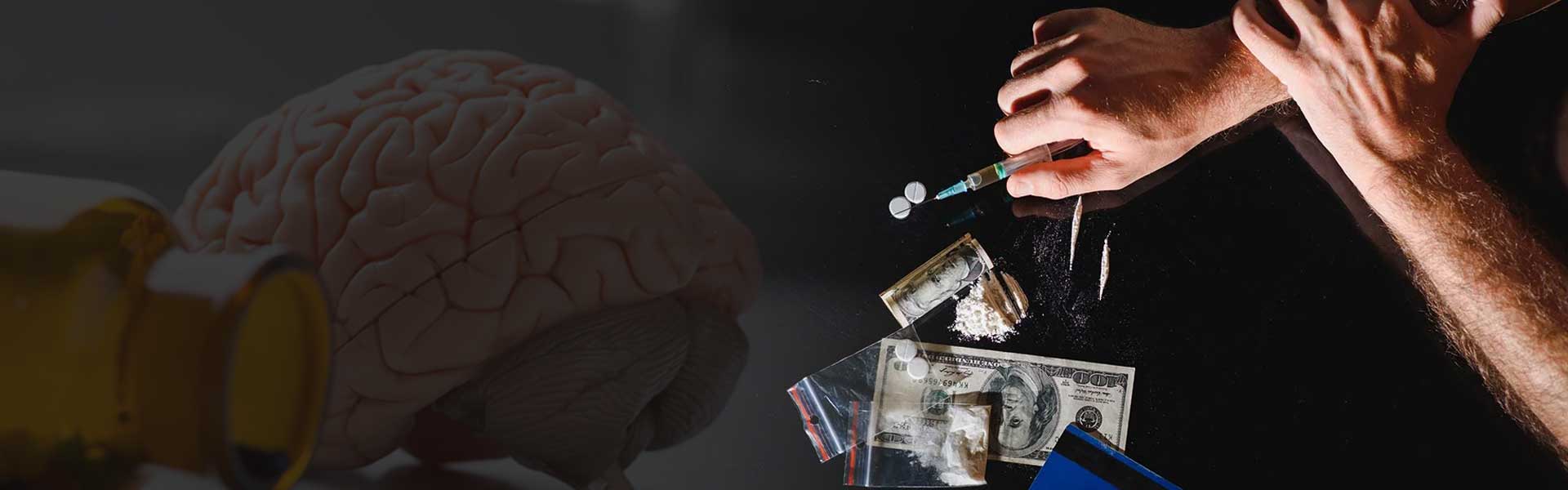
Drug addiction is a chronic, progressive, and treatable brain disorder in which a person loses control over the use of drugs despite knowing their harmful physical, mental, emotional, social, and financial consequences.
Unlike occasional drug use, addiction changes the way the brain works. Over time, the brain becomes dependent on the substance, making it difficult for the individual to stop using it without professional help.
Millions of people across India struggle with drug addiction every year. Young adults, teenagers, working professionals, students, and even elderly individuals can become addicted to different substances due to stress, trauma, peer pressure, mental health disorders, or prolonged substance use.
The good news is that drug addiction is treatable.
With the right combination of medical care, counselling, psychotherapy, behavioural therapy, family support, and structured rehabilitation programs, long-term recovery is possible.
At Shree Rama Foundation, our experienced addiction specialists provide evidence-based treatment programs designed to help individuals regain control over their lives and achieve sustainable recovery.
Quick Answer (Featured Snippet)
Drug addiction is a chronic disease that affects the brain and behaviour, causing compulsive drug use despite harmful consequences. It changes brain chemistry, making it difficult to stop without professional treatment. Recovery usually involves detoxification, therapy, counselling, medication (when required), lifestyle changes, and long-term rehabilitation support.
Understanding Drug Addiction
Many people mistakenly believe addiction is simply a lack of willpower.
Modern medical science proves otherwise.
Drug addiction affects the brain's reward system.
Whenever a person consumes drugs, the brain releases large amounts of dopamine—the chemical responsible for pleasure and motivation.
Initially, this creates feelings of:
-
Happiness
-
Confidence
-
Energy
-
Relaxation
-
Euphoria
However, repeated drug use gradually damages the brain's natural reward pathways.
Eventually:
-
Normal activities stop feeling enjoyable.
-
The brain demands more drugs.
-
Higher doses become necessary.
-
Cravings become uncontrollable.
-
Withdrawal symptoms appear when drug use stops.
This cycle traps the individual in addiction.
Drug Use vs Drug Abuse vs Drug Addiction
Many people confuse these three terms.
Drug Use
Drug use refers to occasional consumption of a substance without developing dependence.
Example:
Someone may receive pain medication after surgery and stop taking it as prescribed.
Drug Abuse
Drug abuse occurs when drugs are used improperly or for non-medical purposes.
Examples include:
-
Taking higher doses than prescribed
-
Using illegal substances recreationally
-
Mixing drugs with alcohol
-
Using someone else's prescription medicines
Drug abuse significantly increases the risk of addiction.
Drug Addiction
Drug addiction develops when a person becomes physically and psychologically dependent on the substance.
Characteristics include:
-
Loss of control
-
Constant cravings
-
Withdrawal symptoms
-
Failed attempts to quit
-
Continued use despite severe consequences
Professional treatment becomes necessary at this stage.
How Drug Addiction Changes the Brain
The human brain contains a reward circuit responsible for motivation, learning, memory, and pleasure.
Repeated drug exposure affects several important brain regions.
1. Basal Ganglia
Responsible for:
-
Pleasure
-
Motivation
-
Habit formation
Drugs overstimulate this area.
Eventually, normal pleasures such as family, food, hobbies, and work lose their importance.
2. Extended Amygdala
This area regulates:
-
Anxiety
-
Stress
-
Emotional responses
During withdrawal, this region becomes highly active.
The person experiences:
-
Anxiety
-
Depression
-
Restlessness
-
Fear
-
Irritability
Many individuals resume drug use simply to escape these unpleasant feelings.
3. Prefrontal Cortex
This region controls:
-
Decision-making
-
Self-control
-
Judgment
-
Planning
Long-term drug use weakens this area.
As a result, the individual struggles to resist cravings, even when fully aware of the consequences.
Common Types of Drug Addiction
Drug addiction can involve both illegal substances and prescription medications.
Opioid Addiction
Examples include:
-
Heroin
-
Morphine
-
Codeine
-
Tramadol
-
Fentanyl
-
Oxycodone
Common symptoms:
-
Drowsiness
-
Slow breathing
-
Constipation
-
Overdose risk
-
Severe withdrawal symptoms
Cannabis Addiction
Cannabis includes:
-
Marijuana
-
Weed
-
Ganja
-
Hashish
-
Charas
Although many people believe cannabis is harmless, frequent use can impair:
-
Memory
-
Concentration
-
Learning
-
Motivation
-
Emotional regulation
Heavy long-term use may increase the risk of anxiety, depression, and psychotic disorders in susceptible individuals.
Cocaine Addiction
Cocaine is a powerful stimulant.
It causes:
-
Intense euphoria
-
Increased confidence
-
Hyperactivity
-
Reduced appetite
-
Increased heart rate
Long-term use can damage:
-
Heart
-
Brain
-
Blood vessels
-
Mental health
Methamphetamine Addiction
Also called:
-
Meth
-
Crystal Meth
-
Ice
Meth addiction develops rapidly and often causes:
-
Violent behaviour
-
Hallucinations
-
Aggression
-
Severe weight loss
-
Dental damage
-
Brain injury
Prescription Drug Addiction
Some prescription medicines also have addiction potential.
Examples include:
-
Painkillers
-
Sleeping pills
-
Anti-anxiety medications
-
Certain stimulants
These medicines should only be used under medical supervision.
Synthetic Drugs
Examples include:
-
MDMA (Ecstasy)
-
LSD
-
Synthetic cannabinoids
-
Designer drugs
These substances often contain unknown chemicals, increasing the risk of overdose and severe health complications.
Why Do People Become Addicted?
Drug addiction develops due to multiple interacting factors.
No single cause explains every case.
Common contributing factors include:
Genetic Factors
Research suggests genetics may account for a significant portion of a person's susceptibility to addiction.
Individuals with a family history of substance use disorders may have a higher risk.
Mental Health Disorders
Many individuals use drugs to cope with untreated mental health conditions such as:
-
Depression
-
Anxiety disorders
-
PTSD
-
Bipolar disorder
-
ADHD
-
Personality disorders
Treating both addiction and the underlying mental health condition together often leads to better recovery outcomes.
Peer Pressure
Especially among teenagers and young adults, social influence can lead to experimentation with drugs.
What begins as curiosity or a desire to fit in may gradually develop into addiction.
Childhood Trauma
Experiences such as:
-
Abuse
-
Neglect
-
Domestic violence
-
Emotional trauma
-
Loss of a loved one
can increase vulnerability to substance dependence later in life.
Chronic Stress
Persistent stress related to:
-
Work
-
Relationships
-
Financial problems
-
Academic pressure
may lead some individuals to misuse drugs as a coping mechanism.
Healthy stress management strategies and timely mental health support can reduce this risk.
Easy Availability
Easy access to drugs significantly increases the likelihood of experimentation and repeated use.
Availability alone does not cause addiction, but it can contribute to its development when combined with other risk factors.
Early Warning Signs of Drug Addiction
Recognising the early signs can help families seek professional treatment before the condition worsens.
Common warning signs include:
Physical Signs
-
Red eyes
-
Weight changes
-
Poor hygiene
-
Frequent illness
-
Needle marks
-
Tremors
-
Slurred speech
-
Unusual sleep patterns
Behavioural Signs
-
Secretive behaviour
-
Missing work or school
-
Financial problems
-
Sudden mood changes
-
Risk-taking behaviour
-
Declining performance
-
Social withdrawal
-
Loss of interest in hobbies
Psychological Signs
-
Anxiety
-
Depression
-
Irritability
-
Aggression
-
Confusion
-
Memory problems
-
Poor concentration
-
Intense cravings
Recognising these signs early and consulting qualified healthcare professionals can improve the chances of successful recovery.
Symptoms, Health Effects, Withdrawal, Diagnosis & Complications of Drug Addiction
Symptoms of Drug Addiction
Drug addiction affects every aspect of a person's life. The symptoms vary depending on the type of substance, the duration of use, the quantity consumed, and the individual's physical and mental health. While some signs appear gradually, others can become severe within a short period.
Understanding these symptoms helps families identify the problem early and seek professional treatment before the addiction worsens.
Physical Symptoms
Drug addiction often produces noticeable physical changes. Common symptoms include:
-
Bloodshot or glazed eyes
-
Dilated or constricted pupils
-
Sudden weight loss or weight gain
-
Poor personal hygiene
-
Frequent nosebleeds (especially with drugs that are snorted)
-
Needle marks on arms or other body parts
-
Persistent fatigue
-
Lack of energy
-
Slurred speech
-
Tremors or shaking
-
Excessive sweating
-
Frequent headaches
-
Poor coordination
-
Nausea and vomiting
-
Changes in appetite
-
Difficulty sleeping or sleeping excessively
Behavioural Symptoms
Changes in behaviour are often among the earliest warning signs.
These may include:
-
Secretive behaviour
-
Lying about activities
-
Frequent unexplained absences
-
Missing work or school
-
Declining academic or job performance
-
Loss of interest in hobbies
-
Isolation from family members
-
New social circles associated with substance use
-
Financial difficulties without explanation
-
Borrowing or stealing money
-
Neglecting responsibilities
-
Increased risk-taking behaviour
-
Driving under the influence
-
Legal problems related to drug possession or use
Psychological Symptoms
Drug addiction also affects emotional well-being and mental health.
Common psychological symptoms include:
-
Anxiety
-
Depression
-
Irritability
-
Mood swings
-
Panic attacks
-
Aggressive behaviour
-
Memory problems
-
Difficulty concentrating
-
Lack of motivation
-
Emotional numbness
-
Suspiciousness
-
Hallucinations (with certain drugs)
-
Delusions
-
Intense cravings for drugs
Many individuals may also experience feelings of guilt, shame, hopelessness, or helplessness but continue using drugs because of physical dependence and psychological cravings.
Short-Term Effects of Drug Addiction
Different drugs produce different immediate effects, but most substances impair normal brain and body function.
Common short-term effects include:
-
Euphoria
-
Poor judgment
-
Reduced coordination
-
Slow reaction time
-
Increased heart rate
-
Elevated blood pressure
-
Difficulty concentrating
-
Confusion
-
Dizziness
-
Aggression
-
Anxiety
-
Panic
-
Hallucinations
-
Nausea
-
Vomiting
Depending on the substance, short-term effects can last from a few hours to several days.
Long-Term Effects of Drug Addiction
Long-term drug use damages multiple organs and can significantly reduce quality of life.
Brain Damage
Repeated drug exposure changes brain structure and function.
Possible consequences include:
-
Memory loss
-
Poor concentration
-
Impaired decision-making
-
Reduced learning ability
-
Emotional instability
-
Increased risk of mental illness
Heart Problems
Drug addiction may increase the risk of:
-
High blood pressure
-
Irregular heartbeat
-
Heart attack
-
Stroke
-
Cardiomyopathy
Stimulants such as cocaine and methamphetamine are particularly harmful to the cardiovascular system.
Liver Damage
Some drugs place excessive strain on the liver, leading to:
-
Fatty liver disease
-
Hepatitis
-
Liver inflammation
-
Liver failure (in severe cases)
People who inject drugs also have a higher risk of viral hepatitis through shared needles.
Kidney Damage
Drug misuse can impair kidney function and increase the risk of:
-
Kidney infections
-
Kidney stones
-
Chronic kidney disease
-
Kidney failure
Lung Disease
Smoking or inhaling drugs may cause:
-
Chronic cough
-
Bronchitis
-
Lung infections
-
Reduced lung function
-
Chronic obstructive pulmonary disease (COPD)
Weakened Immune System
Substance use can weaken the body's natural defence mechanisms, making individuals more vulnerable to infections and delayed recovery from illness.
Mental Health Disorders
Drug addiction is strongly associated with:
-
Depression
-
Anxiety disorders
-
Panic disorder
-
Psychosis
-
Bipolar symptoms
-
Suicidal thoughts in some individuals
Integrated treatment that addresses both addiction and mental health conditions generally offers better outcomes.
Relationship Problems
Addiction often affects family dynamics and social relationships.
Possible consequences include:
-
Family conflict
-
Domestic violence
-
Divorce or separation
-
Loss of trust
-
Social isolation
-
Parenting difficulties
Financial Problems
Substance dependence can lead to:
-
Job loss
-
Reduced productivity
-
Debt
-
Bankruptcy
-
Selling personal belongings
-
Criminal activity to obtain drugs
Drug Withdrawal Symptoms
Withdrawal occurs when a person who is physically dependent on drugs suddenly stops or significantly reduces their drug use.
Symptoms vary depending on the substance, duration of addiction, and overall health.
Common withdrawal symptoms include:
-
Intense cravings
-
Anxiety
-
Depression
-
Restlessness
-
Sweating
-
Chills
-
Tremors
-
Muscle pain
-
Joint pain
-
Insomnia
-
Irritability
-
Headache
-
Nausea
-
Vomiting
-
Diarrhoea
-
Fatigue
-
Increased heart rate
Some substances—particularly opioids, benzodiazepines, and alcohol—can produce severe withdrawal that requires close medical supervision.
Severe Withdrawal Symptoms
Some individuals experience life-threatening withdrawal complications.
These may include:
-
Seizures
-
Severe confusion
-
Hallucinations
-
Delirium
-
Extremely high blood pressure
-
Irregular heartbeat
-
Dehydration
-
Loss of consciousness
Medical detoxification in a licensed rehabilitation centre or hospital helps manage these risks safely.
Drug Overdose: Warning Signs
An overdose occurs when the body cannot safely process the amount of a drug consumed.
Signs may include:
-
Difficulty breathing
-
Very slow or stopped breathing
-
Blue lips or fingernails
-
Unresponsiveness
-
Loss of consciousness
-
Seizures
-
Chest pain
-
Severe confusion
-
Pinpoint pupils (commonly with opioid overdose)
-
Extremely high body temperature (with certain stimulants)
A suspected overdose is a medical emergency. Immediate emergency medical care is essential.
When Should You Seek Professional Help?
Professional assessment is recommended if any of the following are present:
-
Inability to stop using drugs despite repeated attempts
-
Daily or frequent drug use
-
Withdrawal symptoms after stopping
-
Increasing drug tolerance
-
Drug use affecting work, education, or family life
-
Financial problems caused by substance use
-
Risk-taking behaviour while intoxicated
-
Recurrent legal issues related to drug use
-
Concerns expressed by family members or close friends
Early intervention generally improves treatment outcomes and reduces the risk of long-term complications.
How Doctors Diagnose Drug Addiction
There is no single blood test that confirms addiction.
Diagnosis is based on a comprehensive clinical assessment performed by qualified healthcare professionals.
The evaluation may include:
Medical History
The healthcare provider reviews:
-
Current drug use
-
Past substance use
-
Previous treatment
-
Existing medical conditions
-
Current medications
-
Family history
-
Mental health history
Physical Examination
A complete physical examination helps identify:
-
Signs of intoxication
-
Withdrawal symptoms
-
Organ damage
-
Nutritional deficiencies
-
Injection-related complications
Psychological Assessment
Mental health professionals evaluate:
-
Depression
-
Anxiety
-
Trauma history
-
Personality traits
-
Behavioural patterns
-
Risk of self-harm
-
Cognitive functioning
Laboratory Tests
Depending on the clinical situation, healthcare providers may recommend:
-
Urine drug screening
-
Blood tests
-
Liver function tests
-
Kidney function tests
-
ECG
-
Screening for infectious diseases such as HIV or viral hepatitis when indicated
Laboratory tests support treatment planning but do not replace a clinical diagnosis.
Risk Factors for Drug Addiction
Although anyone can develop a substance use disorder, certain factors increase the likelihood.
These include:
-
Family history of addiction
-
Early exposure to drugs
-
Peer pressure
-
Childhood trauma
-
Untreated mental health disorders
-
Chronic stress
-
Easy access to addictive substances
-
History of risky behaviour
-
Lack of family support
-
Previous substance misuse
Having one or more risk factors does not guarantee that someone will develop addiction, but awareness can help guide prevention efforts.
Complications of Untreated Drug Addiction
Without treatment, addiction can progressively affect nearly every area of life.
Possible complications include:
-
Permanent brain changes
-
Chronic liver disease
-
Kidney failure
-
Heart disease
-
Stroke
-
Lung damage
-
Infectious diseases
-
Malnutrition
-
Sleep disorders
-
Severe depression
-
Anxiety disorders
-
Psychosis
-
Relationship breakdown
-
Job loss
-
Financial hardship
-
Homelessness
-
Criminal justice involvement
-
Increased risk of accidental injury
-
Increased risk of fatal overdose
The earlier treatment begins, the better the chances of long-term recovery and improved quality of life.
Internal Linking Suggestions
Within this article and across your website, naturally link to:
-
Drug Addiction Treatment
-
Alcohol Addiction Treatment
-
Rehabilitation Centre in Delhi
-
Rehabilitation Centre in Noida
-
Nasha Mukti Kendra in South Delhi
-
Nasha Mukti Kendra in East Delhi
-
Psychiatric Treatment
-
Mental Health Treatment
-
Family Counselling Services
-
Detoxification Program
-
Aftercare & Relapse Prevention Program
These contextual internal links strengthen topical authority, improve user navigation, and support your overall SEO strategy.
Drug Addiction Treatment, Rehabilitation & Long-Term Recovery
Can Drug Addiction Be Treated?
Yes. Drug addiction is a treatable medical condition, although recovery is often a long-term process rather than a quick cure. Many people successfully overcome substance dependence with professional care, family support, and ongoing commitment to recovery.
Treatment is most effective when it is personalized. Every individual has a unique history, pattern of substance use, physical health status, mental health condition, and social environment. For this reason, treatment plans should be tailored to each person's needs rather than following a one-size-fits-all approach.
At Shree Rama Foundation, treatment programs focus not only on helping individuals stop using drugs but also on addressing the underlying physical, psychological, emotional, and social factors that contribute to addiction.
Goals of Drug Addiction Treatment
A comprehensive treatment program aims to:
-
Help the individual safely stop using drugs.
-
Manage withdrawal symptoms.
-
Reduce cravings.
-
Treat co-existing mental health conditions.
-
Restore physical health.
-
Improve emotional well-being.
-
Rebuild healthy family relationships.
-
Develop healthy coping strategies.
-
Prevent relapse.
-
Support long-term recovery and reintegration into society.
Recovery is not simply about becoming drug-free—it is about rebuilding a healthy, meaningful, and productive life.
Step 1: Comprehensive Assessment
Treatment begins with a detailed evaluation by qualified healthcare professionals.
The assessment may include:
-
Medical history
-
Type of drug used
-
Duration of substance use
-
Frequency and quantity of use
-
Previous treatment history
-
Physical examination
-
Mental health assessment
-
Family history
-
Social and occupational background
-
Current medications
-
Laboratory investigations when clinically indicated
This information helps the treatment team develop an individualized recovery plan.
Step 2: Medical Detoxification
What is Detoxification?
Detoxification (Detox) is the process of allowing the body to eliminate addictive substances while managing withdrawal symptoms safely.
Detox is often the first stage of treatment but is not a complete treatment by itself.
Without counselling and rehabilitation, many individuals return to drug use even after successful detoxification.
Why Medical Detox Matters
Attempting to stop certain drugs without medical supervision can be dangerous.
Medical detox offers:
-
Continuous monitoring
-
Symptom management
-
Hydration and nutritional support
-
Medication when clinically appropriate
-
Management of complications
-
Emotional support
The duration of detox varies depending on:
-
Type of drug
-
Severity of dependence
-
Overall health
-
Individual response to treatment
Step 3: Medication (When Appropriate)
Medication may be recommended for certain substance use disorders based on clinical evaluation.
Depending on the specific addiction, medicines may help:
-
Reduce cravings
-
Ease withdrawal symptoms
-
Prevent relapse
-
Treat co-existing mental health conditions
-
Improve treatment participation
Medication should always be prescribed and monitored by qualified medical professionals. Self-medication or unsupervised use of prescription medicines can be harmful.
Step 4: Individual Counselling
Individual counselling helps patients understand:
-
Why addiction developed
-
Personal triggers
-
Emotional challenges
-
Harmful thinking patterns
-
Stress management techniques
-
Healthy coping strategies
-
Motivation for long-term recovery
Counselling also supports goal setting, self-awareness, and rebuilding confidence.
Step 5: Cognitive Behavioural Therapy (CBT)
Cognitive Behavioural Therapy (CBT) is one of the most widely used evidence-based therapies for substance use disorders.
CBT helps individuals:
-
Identify negative thought patterns.
-
Recognize triggers for substance use.
-
Develop healthier responses to stress.
-
Improve problem-solving skills.
-
Reduce impulsive behaviour.
-
Strengthen relapse prevention skills.
By changing thoughts and behaviours, CBT supports long-term recovery.
Step 6: Motivational Enhancement Therapy (MET)
Some individuals feel uncertain about quitting drugs.
Motivational Enhancement Therapy helps them:
-
Explore personal goals.
-
Understand the consequences of addiction.
-
Build confidence.
-
Strengthen commitment to recovery.
-
Increase participation in treatment.
This approach is particularly useful for people who are ambivalent about change.
Step 7: Group Therapy
Recovery becomes easier when individuals realize they are not alone.
Group therapy provides opportunities to:
-
Share experiences
-
Learn from others
-
Build accountability
-
Improve communication skills
-
Develop healthy social support
Sessions are facilitated by trained professionals to encourage respectful and constructive participation.
Step 8: Family Therapy
Addiction affects the entire family—not just the individual using drugs.
Family therapy can help:
-
Improve communication.
-
Rebuild trust.
-
Resolve conflicts.
-
Educate family members about addiction.
-
Develop healthy boundaries.
-
Create a supportive home environment.
A strong family support system often improves long-term recovery outcomes.
Step 9: Mental Health Treatment
Many people with substance use disorders also experience mental health conditions such as:
-
Depression
-
Anxiety disorders
-
Post-traumatic stress disorder (PTSD)
-
Bipolar disorder
-
Personality disorders
Treating both conditions together is often called integrated or dual-diagnosis treatment. Addressing only the addiction while ignoring mental health concerns may increase the risk of relapse.
Step 10: Lifestyle Modification
Recovery involves developing healthier daily habits.
Treatment programs often encourage:
-
Balanced nutrition
-
Regular physical activity
-
Adequate sleep
-
Stress management
-
Mindfulness practices
-
Time management
-
Healthy recreational activities
-
Building positive social relationships
These lifestyle changes support physical healing and emotional resilience.
Inpatient vs Outpatient Rehabilitation
Choosing the right level of care depends on the individual's needs.
Inpatient Rehabilitation
Inpatient (residential) treatment involves staying at a rehabilitation centre for a structured period.
It may be appropriate for individuals with:
-
Moderate to severe addiction
-
Multiple relapses
-
Significant withdrawal symptoms
-
Co-existing mental health conditions
-
Limited support at home
-
High risk of continued substance use
Benefits
-
24/7 professional supervision
-
Structured daily routine
-
Reduced exposure to triggers
-
Intensive therapy
-
Peer support
-
Safe recovery environment
Outpatient Rehabilitation
Outpatient treatment allows individuals to live at home while attending scheduled therapy sessions.
It may be suitable for people who:
-
Have mild substance use disorders
-
Are medically stable
-
Have strong family support
-
Can maintain work or educational commitments
-
Are highly motivated to participate in treatment
Benefits
-
Greater flexibility
-
Lower disruption to daily life
-
Continued family involvement
-
Lower overall treatment costs in many cases
A healthcare professional can help determine the most appropriate treatment setting.
How Long Does Drug Addiction Treatment Take?
Recovery timelines vary from person to person.
Factors influencing treatment duration include:
-
Type of drug
-
Severity of addiction
-
Duration of substance use
-
Physical health
-
Mental health
-
Family support
-
Motivation for recovery
While detox may take days to weeks, counselling, rehabilitation, and aftercare often continue for several months or longer. Long-term follow-up helps sustain recovery.
What is Relapse?
Relapse means returning to drug use after a period of abstinence.
It does not mean treatment has failed.
Because addiction is a chronic condition, relapse can occur, similar to other chronic illnesses where symptoms may return after improvement.
The important step is to seek help promptly and adjust the treatment plan if relapse occurs.
Common Relapse Triggers
Understanding triggers is essential for prevention.
Common triggers include:
-
Stress
-
Anxiety
-
Depression
-
Loneliness
-
Family conflict
-
Relationship problems
-
Financial pressure
-
Social gatherings involving substance use
-
Peer pressure
-
Exposure to previous drug-use environments
-
Overconfidence about recovery
-
Poor sleep
-
Untreated mental health conditions
Recognizing triggers early allows individuals to use healthier coping strategies before cravings become overwhelming.
Relapse Prevention Strategies
Long-term recovery often includes:
-
Continuing counselling sessions
-
Attending support groups
-
Following medical advice
-
Taking prescribed medications as directed
-
Building healthy routines
-
Avoiding high-risk situations
-
Practising stress-management techniques
-
Maintaining regular exercise
-
Eating a balanced diet
-
Getting adequate sleep
-
Staying connected with supportive family and friends
-
Seeking help early if cravings increase
Recovery is an ongoing journey, and consistent support significantly improves the likelihood of long-term success.
Life After Recovery
Recovery creates opportunities to rebuild every aspect of life.
Many people gradually experience improvements in:
-
Physical health
-
Emotional well-being
-
Mental clarity
-
Family relationships
-
Career or education
-
Financial stability
-
Self-confidence
-
Social connections
-
Overall quality of life
Progress may be gradual, but every step toward recovery contributes to a healthier future.
Why Early Treatment Matters
The earlier addiction is identified and treated, the greater the opportunity to reduce long-term health complications.
Early treatment may help:
-
Prevent permanent organ damage
-
Reduce the risk of overdose
-
Improve mental health
-
Preserve family relationships
-
Support employment or education
-
Lower the likelihood of legal or financial difficulties
-
Improve overall recovery outcomes
Seeking professional help at the first signs of addiction can make a meaningful difference in long-term health and well-being.
Frequently Asked Questions (FAQs) About Drug Addiction
1. What is drug addiction?
Drug addiction is a chronic medical condition in which a person compulsively uses drugs despite harmful physical, mental, social, or financial consequences. It affects brain function, behaviour, and decision-making, often requiring professional treatment and long-term recovery support.
2. Is drug addiction a disease?
Yes. Leading medical organizations recognize substance use disorder as a chronic but treatable medical condition. It involves changes in brain function that affect self-control, motivation, and behaviour.
3. Can drug addiction be cured completely?
Recovery is possible, and many people live healthy, drug-free lives after treatment. Because addiction is considered a chronic condition, ongoing support, healthy habits, and relapse prevention are important for maintaining long-term recovery.
4. What causes drug addiction?
Drug addiction can result from a combination of factors, including genetics, mental health conditions, trauma, peer pressure, chronic stress, early exposure to substances, and environmental influences.
5. What are the first signs of drug addiction?
Early signs may include:
- Frequent cravings
- Mood changes
- Secretive behaviour
- Declining work or academic performance
- Financial problems
- Social withdrawal
- Changes in sleep or appetite
- Neglect of responsibilities
6. Can teenagers become addicted to drugs?
Yes. Adolescents are particularly vulnerable because their brains are still developing. Early intervention and family support can improve recovery outcomes.
7. How is drug addiction diagnosed?
Diagnosis is based on a comprehensive clinical assessment that includes medical history, behavioural evaluation, mental health assessment, physical examination, and laboratory tests when appropriate.
8. What is detoxification?
Detoxification is the medically supervised process of allowing the body to eliminate addictive substances while managing withdrawal symptoms safely. Detox alone is usually not sufficient and is typically followed by counselling and rehabilitation.
9. Is home detox safe?
Not always. Withdrawal from certain substances, including opioids, benzodiazepines, and alcohol, can be severe or life-threatening. Medical supervision is recommended for many individuals.
10. How long does recovery take?
Recovery timelines vary. Detox may last days to weeks, while counselling, rehabilitation, aftercare, and relapse prevention often continue for several months or longer depending on individual needs.
11. What is relapse?
Relapse is a return to substance use after a period of abstinence. It does not mean treatment has failed. Prompt reassessment and renewed support can help individuals return to recovery.
12. Can family members help during recovery?
Yes. Family education, counselling, and emotional support often improve treatment engagement and long-term recovery outcomes.
13. Are prescription medicines addictive?
Some prescription medications, such as certain opioid pain relievers, sedatives, and stimulants, can lead to dependence if not used as directed. They should only be taken under medical supervision.
14. Does addiction affect mental health?
Yes. Drug addiction frequently coexists with conditions such as anxiety, depression, PTSD, and bipolar disorder. Integrated treatment addresses both substance use and mental health together.
15. When should someone seek professional treatment?
Professional help should be considered when substance use becomes difficult to control, causes withdrawal symptoms, interferes with daily responsibilities, affects relationships, or leads to health, legal, or financial problems.
Conclusion
Drug addiction is a serious but treatable medical condition that affects individuals, families, and communities. Although it can have profound physical, psychological, emotional, and social consequences, timely intervention and evidence-based treatment offer hope for lasting recovery.
Recovery is not defined by perfection but by consistent progress. With medical care, counselling, behavioural therapy, family involvement, healthy lifestyle changes, and continued support, many people successfully rebuild their lives and maintain long-term sobriety.
If you or someone you care about is struggling with substance use, seeking professional help early can improve health outcomes and reduce the risk of serious complications. A compassionate, individualized treatment approach can make a meaningful difference.
Why Choose Shree Rama Foundation?
At Shree Rama Foundation, we believe every individual deserves an opportunity to recover with dignity, compassion, and evidence-based care.
Our rehabilitation programs focus on:
- Individualized treatment planning
- Qualified medical and mental health professionals
- Safe detoxification support
- Psychological counselling
- Behavioural therapies
- Family counselling
- Relapse prevention planning
- Aftercare and recovery support
- Respectful, confidential care
Our goal is to help individuals move beyond addiction toward healthier, more fulfilling lives.
Medical Disclaimer
The information provided in this article is intended for educational purposes only and should not replace professional medical advice, diagnosis, or treatment. Every person's health condition is unique. If you or someone you know may have a substance use disorder or is experiencing withdrawal symptoms or a suspected overdose, seek immediate evaluation from a qualified healthcare professional or emergency medical services. Never start, stop, or change any medication without consulting a licensed medical practitioner.
Based in Noida
Serving patients across Delhi NCR with trusted rehabilitation services.
Patient Pickup
Safe and secure patient pickup services available across India.
24×7 Admission
Emergency admissions are available anytime, day or night.
Psychiatrist Evaluation
Expert psychiatric assessment with personalized treatment plans.
Clinical Psychologist
Professional counselling and therapy for emotional well-being.
Family Counselling
Helping families support their loved one's recovery journey.
Yoga & Meditation
Daily sessions to improve mental peace and physical wellness.
Medical Detox
Safe detoxification under experienced medical supervision.
Confidential Treatment
Your privacy is protected throughout the treatment process.
Follow-up Care
Continuous guidance and counselling after discharge.