
- Home
- Nasha Mukti Kendra in Ghaziabad
Nasha Mukti Kendra Near Ghaziabad for Drug & Alcohol Addiction Treatment
Are you searching for a reliable Nasha Mukti Kendra in Ghaziabad for yourself or someone in your family? Shreerama Foundation provides addiction rehabilitation support and guidance for individuals experiencing difficulties related to alcohol, drugs and substance use.
Addiction is a complex health condition that can affect physical health, mental well-being, family relationships, professional responsibilities and social life. Overcoming substance dependence may require medical assessment, psychological counselling, behavioural interventions, family support and continuing recovery care.
Shreerama Foundation is located at SK-45, Sector 112, Noida, Uttar Pradesh – 201305. We welcome enquiries from individuals and families in Ghaziabad who are exploring suitable drug addiction treatment, alcohol de-addiction and rehabilitation support near their area.
Our approach focuses on understanding each individual's substance use history, medical condition, psychological needs and family circumstances before discussing appropriate treatment options.
If you are looking for a Nasha Mukti Kendra near Ghaziabad, contact Shreerama Foundation to understand the available services, clinical arrangements, admission process and treatment options.
Why Choose Shreerama Foundation for Addiction Recovery Near Ghaziabad?
Choosing an appropriate Nasha Mukti Kendra is an important decision for individuals and their families. A suitable rehabilitation facility should provide clear information about its services, professional qualifications, patient safety arrangements, treatment approach and admission procedures.
Shreerama Foundation welcomes enquiries from families in Ghaziabad looking for addiction rehabilitation support at its Noida centre.
Our Approach to Addiction Rehabilitation
Our addiction recovery approach may involve the following areas, depending on the services currently available and individual clinical requirements:
-
Understanding substance use history and treatment needs.
-
Initial medical and psychological assessment.
-
Drug and alcohol addiction rehabilitation support.
-
Withdrawal-risk evaluation.
-
Appropriate medical assessment and referral.
-
Individual psychological counselling.
-
Behavioural interventions.
-
Family counselling and recovery education.
-
Structured daily activities and wellness support.
-
Relapse prevention planning.
-
Continuing care and follow-up guidance.
Treatment should be personalised. The appropriate level of care depends on the substance involved, duration of use, physical health, mental health and withdrawal risks.
What Is a Nasha Mukti Kendra?
A Nasha Mukti Kendra, also known as a de-addiction centre, is a facility that provides services for individuals experiencing problems related to alcohol, drugs or other substances.
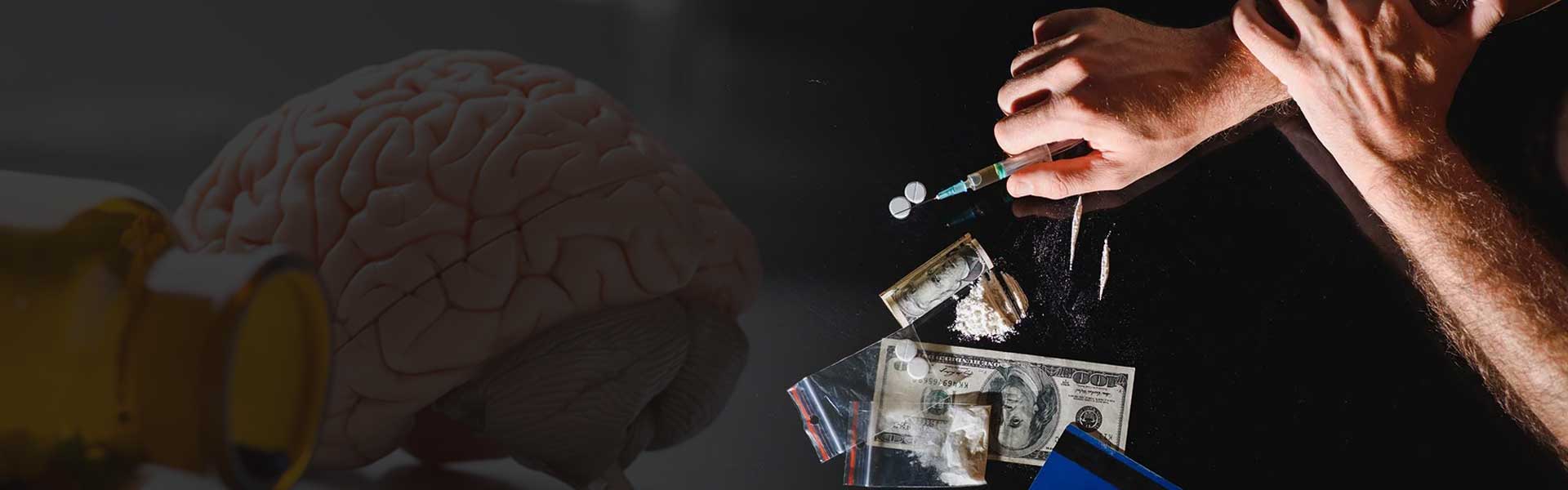
Substance use disorders can affect the brain, behaviour, physical health, relationships and everyday functioning. Professional treatment can help individuals understand their condition, address medical and psychological concerns and develop healthier coping strategies.
A comprehensive addiction treatment programme may involve:
-
Initial medical and psychological assessment.
-
Evaluation of substance use patterns.
-
Withdrawal-risk assessment.
-
Medical treatment or hospital referral when required.
-
Psychological counselling.
-
Behavioural interventions.
-
Family education and support.
-
Recovery planning and relapse prevention.
-
Continuing care after the initial treatment phase.
A Nasha Mukti Kendra should not be evaluated only on accommodation or treatment duration. Medical safety, professional qualifications, patient rights and continuity of care are equally important.
Drug Addiction Treatment Near Ghaziabad
Drug addiction, clinically described as a substance use disorder when diagnostic criteria are met, is a health condition involving problematic patterns of substance use.
An individual may experience strong cravings, difficulty controlling consumption, increased tolerance, withdrawal symptoms or continued substance use despite harmful consequences.
Drug dependence can affect physical health, mental health, employment, education and family relationships.
Shreerama Foundation welcomes enquiries from families in Ghaziabad looking for information about drug addiction rehabilitation support at its Noida centre.
Types of Drug and Substance Dependence
Substances associated with addiction and dependence may include:
1. Heroin and Opioid Dependence
Heroin and other opioids can cause physical dependence, cravings and potentially serious withdrawal-related complications.
Treatment planning may require medical assessment, withdrawal management, psychological support and continuing care.
2. Cocaine Addiction
Cocaine is a stimulant that can affect the cardiovascular system, sleep, mood and mental health.
Some individuals may experience anxiety, agitation, sleep disturbances or other psychological symptoms. Treatment should be based on individual clinical assessment.
3. Methamphetamine Dependence
Methamphetamine can affect sleep, behaviour, mental health and physical functioning.
Some people may experience paranoia, anxiety, depression, sleep problems or difficulties with daily activities.
4. Cannabis Dependence
Regular cannabis use can lead to dependence in some individuals.
Treatment may address cravings, sleep disturbances, reduced motivation, anxiety and difficulties in daily functioning.
5. Prescription Medication Dependence
Certain prescription medicines can cause dependence or be misused, particularly when taken differently from medical instructions.
Treatment and medication changes should always be guided by qualified healthcare professionals.
6. Polysubstance Use
Polysubstance use refers to the use of more than one substance. This may increase medical risks and make treatment more complex.
A comprehensive assessment is important to identify possible interactions, withdrawal risks and co-existing health conditions.
Alcohol Addiction Treatment Near Ghaziabad
Alcohol dependence can affect the liver, brain, cardiovascular system, nervous system and mental well-being.
Some individuals find it difficult to reduce or stop drinking despite negative consequences for their health, work or family relationships.
Professional assessment can help identify the severity of alcohol-related problems and determine the appropriate level of care.
Common Signs of Alcohol Dependence
-
Strong urges or cravings to consume alcohol.
-
Difficulty controlling drinking.
-
Drinking more than originally intended.
-
Increasing tolerance to alcohol.
-
Repeated unsuccessful attempts to stop drinking.
-
Neglecting personal or professional responsibilities.
-
Continuing to drink despite health problems.
-
Experiencing withdrawal symptoms when alcohol consumption decreases or stops.
These signs do not independently establish a diagnosis. A qualified healthcare professional should conduct an appropriate assessment.
Alcohol De-Addiction Treatment Process
Treatment for alcohol dependence may involve several stages.
Medical Assessment
Reviewing alcohol consumption patterns, medical history, physical health and possible complications.
Withdrawal-Risk Evaluation
Determining whether stopping alcohol could lead to dangerous withdrawal symptoms.
Medical Withdrawal Management
Providing appropriate medical supervision and treatment when necessary.
Psychological Counselling
Addressing cravings, triggers, emotional challenges and behaviour patterns.
Family Support
Helping family members understand addiction and participate in recovery where appropriate.
Relapse Prevention
Developing strategies to recognise high-risk situations and manage the risk of returning to alcohol use.
Continuing Care
Arranging appropriate follow-up, counselling and ongoing recovery support.
Important Medical Warning About Alcohol Withdrawal
People with alcohol dependence should not suddenly stop drinking without medical advice.
Alcohol withdrawal can sometimes lead to seizures, hallucinations, severe confusion and delirium. These symptoms require urgent medical attention.
Anyone experiencing severe withdrawal symptoms should be taken to an appropriate emergency medical facility.
Medical Detoxification and Withdrawal Management
Medical detoxification refers to the process of managing the physical effects associated with reducing or stopping substance use.
Detoxification may be an early part of treatment, but it is not a complete treatment for addiction.
Different substances produce different withdrawal symptoms and risks. The appropriate treatment depends on the substance, quantity, duration of use and the person's overall health.
Common Withdrawal Symptoms
Withdrawal symptoms vary from person to person and may include:
-
Anxiety and restlessness.
-
Sleep disturbances.
-
Sweating and tremors.
-
Nausea and vomiting.
-
Irritability and mood changes.
-
Difficulty concentrating.
-
Cravings for the substance.
-
Changes in appetite.
-
Physical discomfort.
Certain withdrawal conditions can become serious or life-threatening.
Why Is Medical Supervision Important?
Appropriate medical supervision can help healthcare professionals:
-
Assess the patient's medical condition.
-
Identify possible withdrawal complications.
-
Monitor physical and psychological symptoms.
-
Determine whether hospital-based care is necessary.
-
Provide appropriate medical treatment.
-
Plan the next stage of rehabilitation.
Medication should never be started, stopped or adjusted without appropriate medical advice.
Psychiatric Assessment and Dual Diagnosis
Substance use disorders may occur alongside mental health conditions. When both are present, the situation may be described as co-occurring disorders or dual diagnosis.
Some individuals may experience mental health symptoms before developing substance use problems. Others may develop psychological difficulties associated with substance use.
Mental Health Conditions That May Co-Occur With Addiction
-
Depression.
-
Anxiety disorders.
-
Bipolar disorder.
-
Post-traumatic stress symptoms.
-
Sleep disorders.
-
Stress-related conditions.
-
Other psychiatric concerns.
Why Is Psychiatric Assessment Important?
A psychiatric assessment helps identify mental health symptoms, understand their relationship with substance use and determine whether additional treatment is required.
An assessment may consider:
-
Emotional and behavioural symptoms.
-
Previous psychiatric history.
-
Substance use patterns.
-
Sleep and appetite changes.
-
Medication history.
-
Risk of self-harm.
-
Social and family circumstances.
Integrated care may be necessary when substance use and mental health conditions occur together. Treatment should be coordinated by appropriately qualified professionals.
Psychological Counselling for Addiction Recovery
Psychological counselling can help individuals understand the thoughts, emotions and behavioural patterns associated with substance use.
It may also support the development of practical strategies for managing cravings, stress, interpersonal conflicts and situations that increase the risk of returning to substance use.
Benefits of Addiction Counselling
-
Understanding personal addiction triggers.
-
Improving emotional regulation.
-
Managing cravings.
-
Developing healthier coping skills.
-
Improving decision-making.
-
Building motivation for recovery.
-
Addressing relationship difficulties.
-
Preparing for everyday life after treatment.
Counselling should be adapted to the individual's needs, readiness and clinical condition.
Cognitive Behavioural Therapy (CBT) for Addiction
Cognitive Behavioural Therapy is a structured psychological approach that helps individuals understand the connection between thoughts, emotions and behaviours.
CBT-based techniques may be used as part of addiction treatment when appropriate.
How CBT Can Support Recovery
-
Identifying situations that trigger substance use.
-
Recognising unhelpful thinking patterns.
-
Developing healthier responses to cravings.
-
Learning stress-management techniques.
-
Improving problem-solving skills.
-
Practising refusal and decision-making skills.
-
Building relapse prevention strategies.
CBT should be provided by appropriately trained mental health professionals.
Motivational Interviewing for Addiction Treatment
Motivational Interviewing is a counselling approach designed to help individuals explore their own reasons for considering behavioural change.
People experiencing addiction may have mixed feelings about treatment. Some may recognise the harmful effects of substance use but feel uncertain about stopping.
Motivational Interviewing may help individuals:
-
Explore personal reasons for change.
-
Identify barriers to recovery.
-
Strengthen motivation.
-
Build confidence in making healthier decisions.
-
Develop achievable recovery goals.
This approach can complement other appropriate treatment interventions.
Individual and Group Counselling
Different people may benefit from different forms of psychological support.
Individual Counselling
Individual counselling provides an opportunity to discuss personal challenges in a supportive setting, subject to applicable privacy requirements.
Topics may include cravings, stress, emotional difficulties, family concerns, substance use triggers and recovery goals.
Group Counselling
Group counselling may provide opportunities for individuals to learn from shared experiences, practise communication and develop supportive relationships.
Group participation should be voluntary and conducted with appropriate professional supervision and confidentiality arrangements.
Family Counselling for Addiction Recovery
Addiction can affect the entire family. Parents, spouses, children and caregivers may experience stress, anxiety, communication problems and uncertainty about how to support a loved one.
Family counselling can help family members understand addiction and learn healthier ways of supporting recovery.
How Family Counselling Helps
-
Understanding substance use disorders.
-
Improving communication.
-
Learning supportive behaviour.
-
Establishing healthy boundaries.
-
Addressing family-related stress.
-
Recognising possible warning signs of relapse.
-
Developing a supportive home environment.
Family participation should be based on the patient's consent and appropriate clinical considerations.
12-Step Recovery Support Programme
The 12-Step approach is a structured recovery model used by some peer-support and mutual-help communities.
It generally focuses on personal responsibility, reflection, acceptance, support from others and ongoing recovery practices.
Some individuals find peer-support programmes helpful alongside professional addiction treatment.
However, the 12-Step approach is not suitable or necessary for every person. It should be considered as one possible recovery support option rather than a replacement for medical or psychological treatment.
Relapse Prevention and Continuing Recovery Support
Addiction recovery is an ongoing process. Some individuals may experience a return to substance use during recovery.
A return to use does not mean that treatment has failed. It may indicate that the treatment plan needs reassessment or additional support.
Relapse Prevention Strategies
A relapse prevention plan may include:
-
Identifying personal triggers.
-
Recognising early warning signs.
-
Developing healthy coping strategies.
-
Maintaining follow-up appointments.
-
Building a supportive social environment.
-
Managing stress and sleep.
-
Avoiding high-risk situations where appropriate.
-
Seeking professional help when cravings increase.
-
Developing an emergency support plan.
-
Maintaining engagement with continuing care.
A personalised aftercare plan can support continuity between rehabilitation and everyday life.
Yoga, Meditation and Healthy Lifestyle Activities
Yoga, meditation and suitable physical activities may complement an addiction recovery programme.
These activities can support relaxation, self-awareness, stress management and the development of healthier routines.
Supportive wellness activities may include:
-
Yoga and stretching.
-
Meditation and breathing exercises.
-
Walking and suitable physical activity.
-
Healthy sleep routines.
-
Balanced nutrition.
-
Recreational activities.
-
Mindfulness practices.
These activities are supportive measures and should not replace medical treatment, psychiatric care or evidence-based psychological interventions.
Facilities at Shreerama Foundation, Noida
The treatment environment is an important consideration when selecting a Nasha Mukti Kendra.
Families should understand accommodation arrangements, available facilities, medical support, privacy policies and daily care procedures before admission.
Shreerama Foundation is located in Sector 112, Noida. Families from Ghaziabad can contact our team to confirm the currently available facilities and admission arrangements.
The following facility details should be verified and published according to actual availability:
-
Accommodation and room arrangements.
-
Cleanliness and hygiene.
-
Food and nutritional arrangements.
-
Counselling spaces.
-
Daily rehabilitation activities.
-
Recreational and wellness facilities.
-
Medical assessment and referral arrangements.
-
Patient privacy and confidentiality.
-
Family communication arrangements.
-
Emergency response procedures.
We encourage families to visit the centre, ask questions and understand the treatment arrangements before making an admission decision.
How to Choose a Safe Nasha Mukti Kendra Near Ghaziabad
Selecting an addiction rehabilitation facility requires careful consideration.
Before choosing a Nasha Mukti Kendra, families should verify the following:
1. Registration and Legal Compliance
Ask about the facility's applicable registrations, permissions and regulatory compliance. Verify the documents with the issuing authority where appropriate.
2. Qualified Medical Professionals
Ask about the qualifications, professional registration and responsibilities of doctors, psychiatrists and other healthcare professionals.
3. Medical Safety
Understand how withdrawal symptoms, medical complications and emergencies are managed.
4. Individual Treatment Planning
The treatment programme should consider the patient's medical history, substance use, mental health and recovery needs.
5. Psychological Support
Ask about counselling methods, therapist qualifications and the frequency of sessions.
6. Patient Rights
Understand admission consent, privacy, confidentiality, communication, grievance procedures and discharge policies.
7. Family Participation
Ask how family members can receive guidance and participate in treatment with appropriate consent.
8. Fees and Transparency
Request a written explanation of treatment charges, accommodation fees, additional expenses and refund policies.
9. Aftercare Services
Ask whether the centre provides follow-up consultations, counselling or referrals after discharge.
A responsible rehabilitation facility should answer these questions clearly and without making unrealistic promises.
Admission Process at Shreerama Foundation
Every individual has different medical, psychological and social needs. Therefore, admission should begin with an appropriate assessment.
Families from Ghaziabad can contact Shreerama Foundation to enquire about the following steps.
Step 1: Initial Enquiry
Contact our team to explain the substance use concern, current situation and reason for seeking treatment.
Step 2: Preliminary Information
Share relevant information about substance use history, previous treatment, medical conditions and current symptoms.
Step 3: Clinical Assessment
An appropriately qualified healthcare professional should assess medical history, withdrawal risks, psychological concerns and the suitability of the proposed care setting.
Step 4: Treatment Discussion
Understand the recommended treatment approach, available services, costs and responsibilities.
Step 5: Informed Admission
Admission should follow applicable legal requirements, informed consent and patient rights procedures.
Step 6: Individualised Recovery Planning
The care team should explain the treatment plan, monitoring arrangements and continuing recovery needs.
Families should confirm current admission availability and medical facilities before arranging transportation.
Nasha Mukti Kendra Near Ghaziabad – Areas We Serve
Shreerama Foundation is located at SK-45, Sector 112, Noida, Uttar Pradesh – 201305.
We welcome enquiries from individuals and families in Ghaziabad and nearby areas who are exploring addiction rehabilitation support at our Noida centre.
Areas Around Ghaziabad
Families from the following localities can contact us to enquire about available services and admission arrangements:
-
Indirapuram.
-
Vaishali.
-
Vasundhara.
-
Raj Nagar.
-
Raj Nagar Extension.
-
Kaushambi.
-
Sahibabad.
-
Crossings Republik.
-
Loni.
-
Mohan Nagar.
-
Other nearby areas of Ghaziabad.
Nearby Areas of Delhi NCR
We also welcome enquiries from families in Noida, Greater Noida, Delhi, Faridabad and Gurgaon.
Important Location Information: Shreerama Foundation's centre is located in Sector 112, Noida. It is not a separately located centre in Ghaziabad. Please confirm travel and patient transportation arrangements before admission.
Frequently Asked Questions – Nasha Mukti Kendra in Ghaziabad
1. Which is the best Nasha Mukti Kendra in Ghaziabad?
The appropriate Nasha Mukti Kendra is one that provides suitable clinical assessment, qualified professional care, safe withdrawal management, individualised treatment, patient rights and continuing recovery support. Families should verify the centre's credentials and facilities before admission.
2. Is Shreerama Foundation located in Ghaziabad?
No. Shreerama Foundation is located at SK-45, Sector 112, Noida, Uttar Pradesh – 201305. It welcomes enquiries from families in Ghaziabad who are exploring addiction rehabilitation support near their area.
3. Does Shreerama Foundation provide drug addiction treatment near Ghaziabad?
Shreerama Foundation welcomes enquiries regarding drug addiction rehabilitation support at its Noida centre. Contact the team to confirm the clinical services currently available.
4. Is alcohol addiction treatment available near Ghaziabad?
Alcohol addiction treatment may involve medical assessment, withdrawal-risk evaluation, psychological counselling, appropriate medical management and continuing recovery support. Contact Shreerama Foundation to confirm available services.
5. What is the difference between a Nasha Mukti Kendra and a rehabilitation centre?
A Nasha Mukti Kendra generally refers to a de-addiction facility focused on substance-related problems. A rehabilitation centre may provide a wider range of medical, psychological, behavioural and social rehabilitation services.
6. How long does drug addiction treatment take?
Treatment duration varies according to the substance, severity of dependence, physical and mental health, treatment setting and individual progress. There is no fixed duration appropriate for everyone.
7. Is alcohol withdrawal dangerous?
Yes. Alcohol withdrawal can sometimes cause seizures, hallucinations and delirium. People with alcohol dependence should seek medical advice before stopping alcohol. Severe withdrawal symptoms require emergency medical care.
8. What is medical detoxification?
Medical detoxification is the process of managing the physical effects of reducing or stopping substance use. It may involve medical monitoring, symptom management and treatment of withdrawal-related complications.
9. Can drug addiction be treated?
Yes. Substance use disorders can be treated through appropriate medical, psychological and social interventions. Treatment plans should be personalised and may require continuing care.
10. What is dual diagnosis in addiction treatment?
Dual diagnosis refers to the co-occurrence of a substance use disorder and another mental health condition. Examples may include depression, anxiety and bipolar disorder. Both concerns may require coordinated professional care.
11. What is CBT in addiction treatment?
Cognitive Behavioural Therapy is a structured psychological approach that helps individuals identify unhelpful thinking patterns, recognise triggers and develop healthier coping strategies.
12. Is family counselling important during rehabilitation?
Family counselling can help family members understand addiction, improve communication, establish healthy boundaries and provide appropriate recovery support.
13. What is relapse prevention?
Relapse prevention involves identifying triggers, recognising warning signs, developing coping strategies and maintaining continuing support to reduce the risk of returning to substance use.
14. Does detoxification alone cure addiction?
No. Detoxification may help manage physical withdrawal, but addiction treatment may also require psychological interventions, medical care, behavioural support and continuing recovery planning.
15. Can a patient receive treatment for both alcohol and drug addiction?
Yes. Individuals with more than one substance-related problem may require a comprehensive assessment and an integrated treatment plan.
16. Are psychiatric services important in a Nasha Mukti Kendra?
Psychiatric assessment can be important when individuals have mental health symptoms, co-occurring conditions or complex substance-related concerns. Appropriate evaluation should be conducted by qualified professionals.
17. Can family members visit a patient during rehabilitation?
Visiting arrangements depend on the centre's policies, clinical recommendations, patient consent and applicable requirements. Families should confirm visiting rules before admission.
18. Is addiction treatment confidential?
Healthcare facilities should follow applicable privacy and confidentiality requirements. Families should ask about patient records, information sharing and consent procedures.
19. Can someone from Indirapuram or Vaishali enquire about admission?
Yes. Families from Indirapuram, Vaishali, Vasundhara, Kaushambi and other parts of Ghaziabad can contact Shreerama Foundation to enquire about services at its Noida centre.
20. What should families bring during admission?
The required documents and personal items depend on the centre's admission policy. Families should ask for a written checklist covering identification, medical records, current medication details and permitted personal belongings.
21. Does rehabilitation guarantee permanent recovery?
No centre can guarantee permanent recovery. Addiction recovery is an individual process that may require ongoing treatment, lifestyle changes, psychological support and follow-up care.
22. What should I do if a person experiences severe withdrawal symptoms?
Seek immediate medical attention. Seizures, severe confusion, hallucinations, breathing difficulties or unconsciousness require emergency medical care. Do not attempt to manage a serious withdrawal emergency at home.
23. What is the role of counselling in de-addiction?
Counselling can help individuals understand substance use triggers, improve coping strategies, address emotional difficulties and develop practical recovery goals.
24. How can I enquire about admission at Shreerama Foundation?
You can call +91-9971908266 or email theshreeramafoundation@gmail.com to discuss available services, assessment procedures and admission arrangements.
25. How can families choose a safe Nasha Mukti Kendra?
Check applicable registrations, professional qualifications, medical supervision, emergency referral arrangements, patient consent, privacy policies, accommodation, treatment plans and transparent fees before admission.
Contact Shreerama Foundation – Nasha Mukti Kendra Near Ghaziabad
Taking the first step towards addiction treatment can be difficult for individuals and families. However, seeking professional guidance can help identify appropriate care options and reduce uncertainty.
Shreerama Foundation welcomes enquiries from individuals and families in Ghaziabad looking for information about drug addiction rehabilitation, alcohol de-addiction, counselling and recovery support at its Noida centre.
Medical Disclaimer
The information on this page is intended for general educational purposes and does not replace professional medical advice, diagnosis or treatment. Every individual's treatment needs are different. Medical decisions should be made by qualified healthcare professionals after an appropriate assessment.
In the event of a medical emergency, severe withdrawal symptoms, seizures, breathing difficulties or loss of consciousness, seek immediate emergency medical assistance or visit the nearest appropriate hospital.
Our Doctors
Our experienced and compassionate medical professionals are dedicated to providing personalized care, guidance and support throughout every stage of the recovery journey.
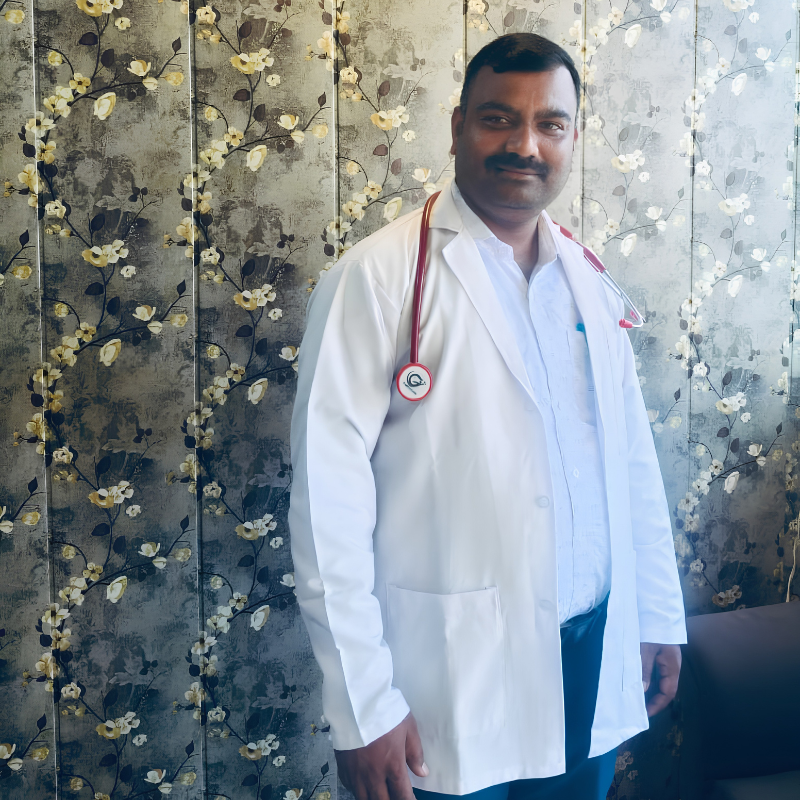
Dr. Manoj Kumar
Medical Specialist
Dedicated medical professional providing compassionate care, medical assessment, personalized guidance, and continuous support to help individuals move towards better health and recovery.
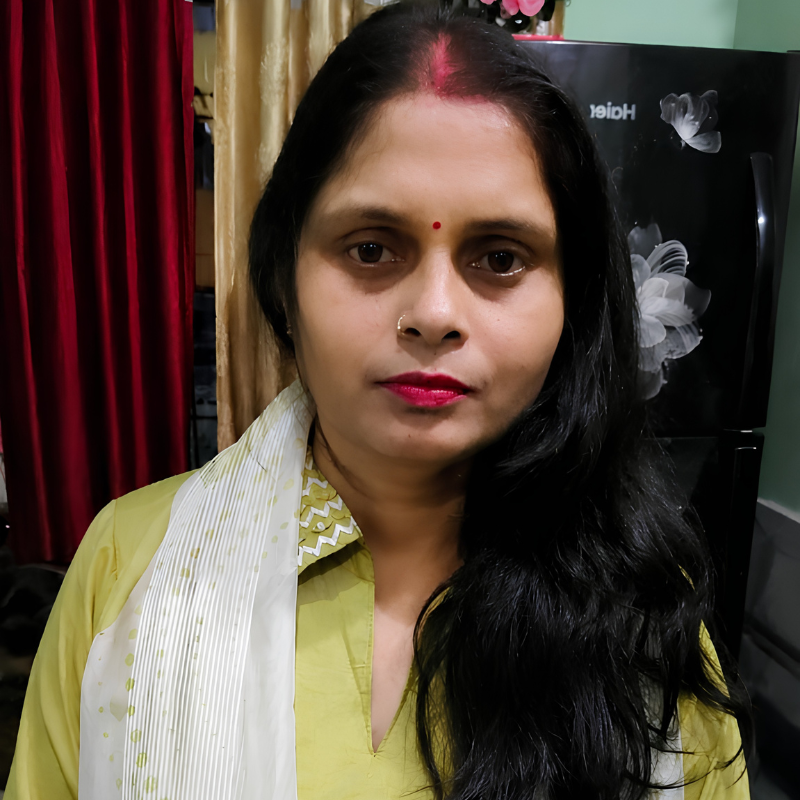
Dr. Devi Neeta
General Nurse & Midwife
Dedicated nursing professional trained in General Nursing and Midwifery, committed to providing compassionate patient care, health support, and professional assistance throughout the recovery journey.
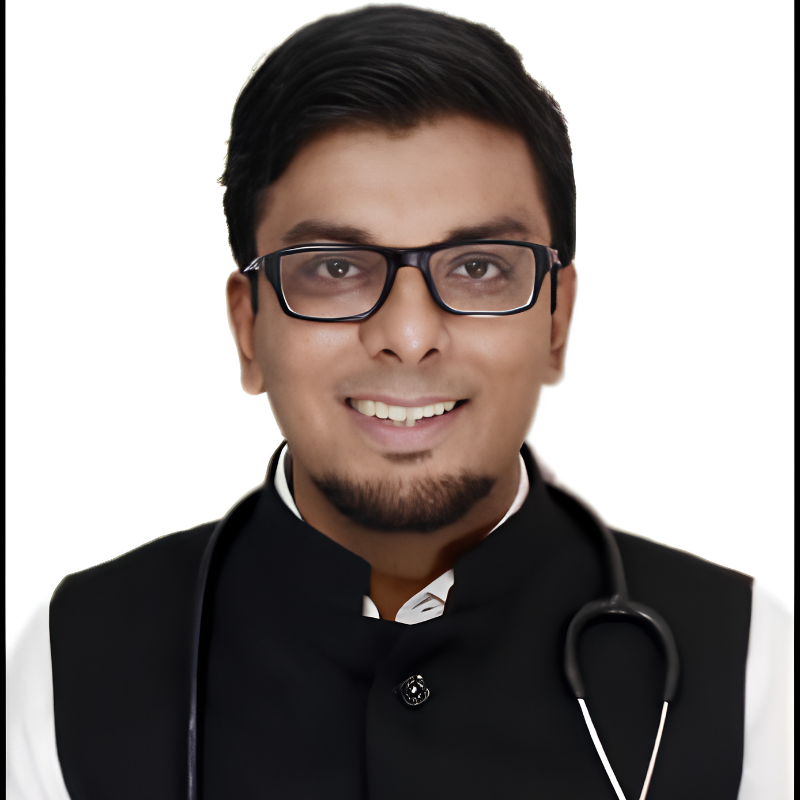
Dr. Jateen Ukrani
Psychiatrist / Mental Health Specialist
Dr. Jateen Ukrani is a qualified psychiatrist with an MBBS and D.N.B. in Psychiatry. He specializes in the assessment and management of mental health and psychiatric concerns, providing professional care focused on patients’ psychological and emotional well-being.

Dr. Priyanka Priyadarshini
Clinical Psychologist
Priyanka Priyadarshini is a registered Clinical Psychologist recognized by the Rehabilitation Council of India (RCI). She provides professional psychological assessment and mental health support, with a focus on understanding and addressing emotional, behavioral, and psychological concerns.
Based in Noida
Serving patients across Delhi NCR with trusted rehabilitation services.
Patient Pickup
Safe and secure patient pickup services available across India.
24×7 Admission
Emergency admissions are available anytime, day or night.
Psychiatrist Evaluation
Expert psychiatric assessment with personalized treatment plans.
Clinical Psychologist
Professional counselling and therapy for emotional well-being.
Family Counselling
Helping families support their loved one's recovery journey.
Yoga & Meditation
Daily sessions to improve mental peace and physical wellness.
Medical Detox
Safe detoxification under experienced medical supervision.
Confidential Treatment
Your privacy is protected throughout the treatment process.
Follow-up Care
Continuous guidance and counselling after discharge.