
- Home
- Drug Addiction Treatment in Noida
Professional Drug Addiction Treatment in Noida for Long-Term Recovery
Take the First Step Towards a Drug-Free Life
Drug addiction can slowly take control of every aspect of a person's life. What may begin as occasional substance use can gradually develop into dependency, affecting physical health, emotional stability, relationships, education, career, and financial well-being.
At Shree Rama Foundation, we understand that overcoming drug addiction requires more than determination alone. Successful recovery often involves structured rehabilitation, professional counselling, behavioural therapies, family support, and healthy lifestyle changes.
Our Drug Addiction Treatment in Noida is designed to help individuals regain confidence, improve emotional well-being, and work toward lasting recovery in a compassionate and supportive environment.
About Shree Rama Foundation
Trusted Drug Rehabilitation and Recovery Support in Noida
Choosing the right rehabilitation centre is one of the most important decisions during addiction recovery. Every individual's journey is unique, which is why we believe treatment should be personalized rather than standardized.
At Shree Rama Foundation, we focus on understanding the root causes of addiction while helping individuals build healthier habits that support long-term recovery.
Our rehabilitation approach combines emotional support, behavioural counselling, wellness practices, family participation, and structured recovery planning to help patients move toward a healthier future.
What Is Drug Addiction?
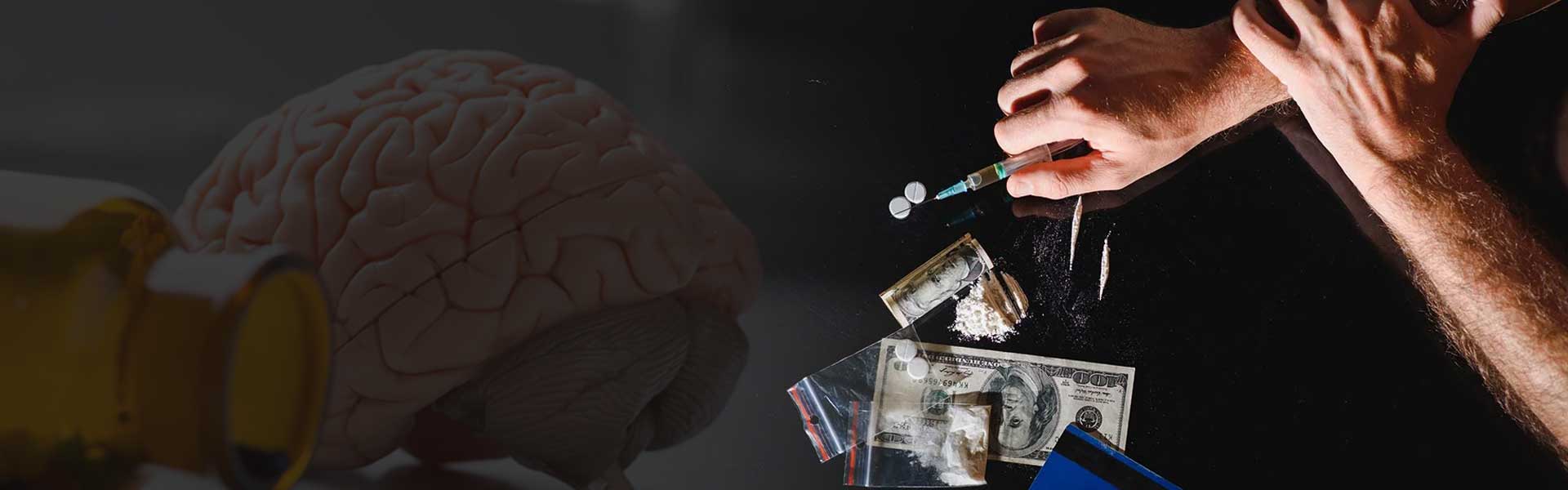
Drug addiction is a chronic condition in which an individual becomes unable to control the use of addictive substances despite experiencing harmful consequences.
Repeated drug use affects the brain's reward system, making it increasingly difficult to stop without professional support. Over time, addiction can interfere with decision-making, emotional regulation, memory, relationships, work performance, and overall quality of life.
Recovery is possible when treatment addresses both physical dependence and the emotional or behavioural factors that contribute to substance use.
Common Types of Drug Addiction
Individuals may seek rehabilitation support for dependency involving various substances, including:
- Heroin
- Cocaine
- Cannabis
- Opioids
- Prescription painkillers
- Sleeping tablets
- Sedatives
- Synthetic drugs
- Inhalants
Every person's recovery journey is different, and treatment plans should be based on individual assessment rather than the substance alone.
Common Causes of Drug Addiction
Drug addiction often develops due to multiple contributing factors rather than a single cause.
Some common risk factors include:
- Emotional trauma
- Depression
- Anxiety
- Peer pressure
- Academic stress
- Workplace pressure
- Family conflicts
- Social isolation
- Easy access to addictive substances
- Family history of addiction
- Poor stress management
Understanding these contributing factors allows rehabilitation programs to focus on lasting behavioural change instead of temporary recovery.
Signs That Someone May Need Professional Drug Addiction Treatment
Early recognition of addiction can improve recovery outcomes.
Some common warning signs include:
- Frequent drug use
- Difficulty stopping drug use
- Withdrawal symptoms
- Mood swings
- Aggressive behaviour
- Sleep disturbances
- Loss of appetite
- Declining academic or work performance
- Financial problems
- Social withdrawal
- Neglecting personal responsibilities
- Increased secrecy
If these signs continue despite repeated attempts to stop using drugs, professional rehabilitation may provide the structured support needed for recovery.
Why Early Treatment Matters
Many individuals delay seeking help because they hope addiction will improve without professional support.
Unfortunately, untreated drug dependency may gradually lead to more serious physical, emotional, social, and financial challenges.
Seeking professional treatment early may help:
- Improve physical recovery
- Reduce health complications
- Strengthen family relationships
- Improve emotional well-being
- Restore confidence
- Reduce the risk of repeated relapse
Early intervention often creates a stronger foundation for long-term recovery.
Why Choose Shree Rama Foundation?
Families trust Shree Rama Foundation because our rehabilitation philosophy focuses on the individual rather than simply treating addiction.
Our approach emphasizes:
- Personalized treatment plans
- Confidential care
- Compassionate counselling
- Family participation
- Behavioural therapy
- Wellness-focused recovery
- Healthy lifestyle development
- Long-term relapse prevention
Every rehabilitation plan is designed to help individuals regain independence while preparing for a healthier future.
Our Mission
Our mission is to help individuals affected by drug addiction regain control of their lives through structured rehabilitation, compassionate support, and practical recovery strategies.
We believe that every individual deserves the opportunity to heal with dignity, respect, and professional guidance.
Our Drug Addiction Treatment Process
At Shree Rama Foundation, we understand that recovery from drug addiction is a gradual journey. Every individual has different experiences, health conditions, emotional challenges, and recovery goals. For this reason, we follow a structured treatment process that focuses on the complete well-being of the individual rather than only addressing substance use.
Our treatment approach combines professional assessment, counselling, behavioural therapies, family participation, wellness practices, and long-term recovery planning.
Step 1 – Comprehensive Assessment
The recovery journey begins with a confidential assessment.
Before preparing a treatment plan, our team carefully evaluates:
-
Medical history
-
Drug use history
-
Physical health condition
-
Emotional and psychological well-being
-
Family environment
-
Lifestyle habits
-
Previous rehabilitation experiences
-
Individual recovery goals
This assessment helps us create a personalized rehabilitation program that addresses the specific needs of each patient.
Step 2 – Detoxification Support
For individuals experiencing physical dependence on drugs, detoxification may be the first stage of recovery.
Detoxification allows the body to gradually eliminate addictive substances while withdrawal symptoms are managed under appropriate supervision.
Withdrawal symptoms vary depending on the individual and the type of substance involved. Common symptoms may include:
-
Anxiety
-
Restlessness
-
Sweating
-
Difficulty sleeping
-
Fatigue
-
Mood changes
-
Muscle discomfort
-
Strong cravings
Detoxification is an important beginning, but it is only one part of the recovery process. Long-term success also depends on counselling, behavioural therapy, lifestyle changes, and continued emotional support.
Step 3 – Individual Counselling
Every person's addiction story is different.
Individual counselling provides a confidential and supportive environment where patients can openly discuss their experiences, concerns, and recovery goals.
These sessions help individuals:
-
Understand addiction triggers
-
Identify unhealthy behavioural patterns
-
Build emotional resilience
-
Improve self-confidence
-
Develop healthy coping strategies
-
Learn stress management techniques
-
Strengthen motivation for recovery
Individual counselling encourages self-awareness while supporting meaningful behavioural change.
Step 4 – Cognitive Behavioural Therapy (CBT)
Cognitive Behavioural Therapy (CBT) is one of the most effective evidence-based approaches used in addiction recovery.
CBT helps patients understand how thoughts, emotions, and behaviours are connected.
Through CBT, individuals learn to:
-
Recognize negative thought patterns
-
Identify high-risk situations
-
Replace unhealthy behaviours with positive alternatives
-
Improve emotional regulation
-
Make healthier decisions
-
Reduce the likelihood of relapse
CBT equips individuals with practical skills they can continue using after rehabilitation.
Step 5 – Group Therapy
Group therapy creates opportunities for individuals to connect with others who are also working toward recovery.
Sharing experiences in a supportive setting often helps reduce feelings of loneliness while increasing motivation and confidence.
Benefits of group therapy include:
-
Peer encouragement
-
Improved communication
-
Shared learning
-
Greater accountability
-
Emotional support
-
Increased confidence
Positive peer interaction can become an important source of encouragement throughout the rehabilitation journey.
Step 6 – Family Counselling
Addiction often affects the entire family.
Family counselling helps loved ones better understand addiction while learning how to provide healthy emotional support during recovery.
Family sessions may focus on:
-
Improving communication
-
Rebuilding trust
-
Establishing healthy boundaries
-
Managing conflict
-
Supporting long-term recovery
-
Recognizing early warning signs of relapse
Family involvement often strengthens recovery outcomes by creating a positive home environment after rehabilitation.
Mental Health Support During Recovery
Drug addiction and mental health challenges frequently occur together.
Individuals experiencing anxiety, depression, emotional trauma, or chronic stress may be at increased risk of substance dependency.
Our rehabilitation approach encourages emotional healing alongside addiction recovery by helping individuals:
-
Manage stress effectively
-
Improve emotional awareness
-
Develop healthy coping mechanisms
-
Strengthen resilience
-
Build confidence
-
Improve relationships
Supporting emotional well-being plays an important role in reducing the risk of relapse.
Developing Healthy Daily Habits
Successful recovery depends on creating routines that support both physical and emotional health.
Our rehabilitation programs encourage individuals to develop habits such as:
-
Maintaining regular sleep schedules
-
Eating balanced meals
-
Staying physically active
-
Managing stress in healthy ways
-
Participating in meaningful activities
-
Building positive social relationships
Healthy routines become an important foundation for long-term recovery.
Wellness Activities
Recovery is not only about avoiding drugs—it is about learning healthier ways to live.
Depending on individual treatment plans, wellness activities may include:
-
Yoga
-
Meditation
-
Breathing exercises
-
Mindfulness practices
-
Light physical exercise
-
Recreational activities
-
Educational workshops
-
Motivational sessions
These activities encourage relaxation, emotional stability, and overall well-being.
A Structured Daily Routine
A consistent routine helps individuals stay focused and develop self-discipline during rehabilitation.
A typical day may include:
Morning
-
Wake-up routine
-
Personal hygiene
-
Yoga or meditation
-
Healthy breakfast
Mid-Morning
-
Individual counselling
-
Behavioural therapy
-
Educational sessions
Afternoon
-
Lunch
-
Rest period
-
Skill-building activities
-
Group discussions
Evening
-
Recreational activities
-
Reflection sessions
-
Healthy dinner
-
Relaxation before bedtime
A structured schedule reduces idle time while reinforcing healthy lifestyle habits.
Relapse Prevention Planning
Completing rehabilitation is only the beginning of the recovery journey.
Before leaving the rehabilitation program, individuals are encouraged to develop practical relapse prevention strategies.
These may include:
-
Identifying personal triggers
-
Managing cravings
-
Creating healthy routines
-
Building supportive relationships
-
Continuing counselling when needed
-
Setting realistic personal goals
-
Learning healthy stress management techniques
Relapse prevention planning prepares individuals to confidently manage everyday challenges after rehabilitation.
Recovery Is a Journey
Every individual experiences recovery differently.
Some people progress quickly, while others require additional time, encouragement, and support. What matters most is maintaining commitment and continuing to move forward one step at a time.
At Shree Rama Foundation, we believe recovery is possible with compassionate care, professional guidance, family support, and a structured rehabilitation program.
Our goal is to help every individual rebuild confidence, improve well-being, restore relationships, and work toward a healthier, substance-free future.
Rehabilitation Facilities at Shree Rama Foundation
A successful recovery journey requires more than counselling sessions alone. Individuals recovering from drug addiction often benefit from a supportive environment, healthy routines, emotional encouragement, and structured rehabilitation programs.
At Shree Rama Foundation, we provide a recovery-focused atmosphere where individuals can concentrate on rebuilding their physical health, emotional well-being, confidence, and independence.
Our rehabilitation philosophy is centred on helping every individual develop healthier habits that support long-term recovery.
Safe and Positive Recovery Environment
The surroundings in which rehabilitation takes place play an important role in recovery.
A peaceful environment allows individuals to step away from daily triggers and focus on healing with fewer distractions.
Our rehabilitation environment encourages:
-
Respect and dignity
-
Positive thinking
-
Personal responsibility
-
Healthy communication
-
Emotional stability
-
Self-discipline
-
Continuous motivation
Creating a supportive atmosphere helps individuals remain committed to their recovery goals.
Comfortable Accommodation
Physical comfort contributes to emotional well-being during rehabilitation.
Our accommodation is designed to support rest, cleanliness, and healthy living.
Facilities may include:
-
Hygienic rooms
-
Comfortable sleeping arrangements
-
Clean washrooms
-
Proper ventilation
-
Safe drinking water
-
Housekeeping support
Maintaining cleanliness also encourages discipline and healthy daily habits.
Healthy Nutrition During Recovery
Drug addiction often affects physical health, appetite, and nutritional balance.
A balanced diet supports recovery by helping improve:
-
Physical strength
-
Energy levels
-
Immune function
-
Brain health
-
Emotional well-being
-
Overall wellness
Healthy eating habits developed during rehabilitation often continue benefiting individuals after treatment.
Wellness and Lifestyle Improvement
Long-term recovery involves creating a healthier way of living.
Depending on individual treatment plans, wellness activities may include:
-
Yoga
-
Meditation
-
Deep breathing exercises
-
Physical fitness
-
Recreational activities
-
Reading sessions
-
Motivational workshops
-
Mindfulness practices
These activities help individuals manage stress while promoting emotional balance.
Building Essential Life Skills
Recovery is about preparing for everyday life—not simply avoiding drugs.
Our rehabilitation programs encourage the development of practical life skills, including:
-
Time management
-
Communication
-
Emotional regulation
-
Problem-solving
-
Goal setting
-
Conflict resolution
-
Decision-making
Developing these abilities helps individuals face future challenges with confidence.
Continued Recovery Support
Recovery continues after completing rehabilitation.
Patients are encouraged to maintain progress through:
-
Healthy routines
-
Family support
-
Positive social relationships
-
Continued counselling (when appropriate)
-
Stress management
-
Relapse prevention planning
Ongoing support helps individuals maintain long-term recovery and build a stable future.
Why Choose Shree Rama Foundation for Drug Addiction Treatment in Noida?
Families across Noida trust Shree Rama Foundation because our rehabilitation programs focus on complete recovery rather than short-term solutions.
Our approach emphasizes:
-
Personalized treatment plans
-
Compassionate care
-
Confidential rehabilitation
-
Professional counselling
-
Family involvement
-
Wellness-focused recovery
-
Behavioural transformation
-
Long-term relapse prevention
Every rehabilitation journey is tailored to the individual's needs, ensuring respectful and supportive care throughout the recovery process.
Areas We Serve in Noida
Families from various parts of Noida and nearby regions seek rehabilitation support through Shree Rama Foundation.
Commonly served locations include:
-
Sector 18
-
Sector 62
-
Sector 63
-
Sector 76
-
Sector 78
-
Sector 93
-
Sector 137
-
Sector 150
-
Noida Extension
-
Greater Noida
-
Pari Chowk
-
Knowledge Park
-
Dadri
-
Surajpur
-
Jewar
-
Ghaziabad
-
Indirapuram
-
Vasundhara
-
Crossing Republik
Frequently Asked Questions
1. What is drug addiction treatment?
Drug addiction treatment is a structured recovery process that may include assessment, counselling, behavioural therapies, wellness activities, family participation, and relapse prevention planning.
2. Who should seek professional treatment?
Individuals who are unable to stop using drugs despite experiencing health, emotional, social, or financial problems should consider professional rehabilitation.
3. Can drug addiction recovery be successful?
Recovery outcomes differ for each individual. With professional guidance, family support, and commitment, many people work toward long-term recovery.
4. Is rehabilitation confidential?
Yes. Confidentiality and respect for patient privacy are fundamental parts of professional rehabilitation services.
5. Does treatment include counselling?
Yes. Counselling is an important component of rehabilitation because it helps individuals understand emotional triggers and develop healthier coping strategies.
6. Is family counselling available?
Yes. Family participation helps improve communication, rebuild trust, and strengthen long-term recovery.
7. Can young adults receive rehabilitation?
Yes. Young adults experiencing substance dependency may benefit from structured rehabilitation programs tailored to their individual needs.
8. How long does treatment take?
Treatment duration varies depending on the individual's condition, recovery goals, and progress following professional assessment.
9. Why is relapse prevention important?
Relapse prevention teaches individuals to recognize triggers, manage cravings, maintain healthy routines, and continue positive lifestyle changes after rehabilitation.
10. Why choose Shree Rama Foundation?
Shree Rama Foundation focuses on compassionate care, personalized rehabilitation, behavioural therapies, family support, emotional healing, and long-term recovery planning.
Take the First Step Towards Recovery
Drug addiction affects not only the individual but also family members, relationships, education, career, and overall quality of life. Seeking professional support early can make a meaningful difference.
At Shree Rama Foundation, we are committed to helping individuals regain confidence and move toward a healthier, drug-free future through structured rehabilitation, counselling, and compassionate care.
If you or someone you care about is struggling with drug addiction, contact our team to learn more about our rehabilitation programs, admission process, and available recovery support.
Shreerama Foundation is located in Sector 112, Noida, and welcomes patients from across the Delhi NCR region — including Delhi, Ghaziabad, Greater Noida, Faridabad, and Gurgaon. We offer safe and secure patient pickup services across NCR, along with 24×7 admission support for individuals and families seeking help, no matter where in the region they are located.
Based in Noida
Serving patients across Delhi NCR with trusted rehabilitation services.
Patient Pickup
Safe and secure patient pickup services available across India.
24×7 Admission
Emergency admissions are available anytime, day or night.
Psychiatrist Evaluation
Expert psychiatric assessment with personalized treatment plans.
Clinical Psychologist
Professional counselling and therapy for emotional well-being.
Family Counselling
Helping families support their loved one's recovery journey.
Yoga & Meditation
Daily sessions to improve mental peace and physical wellness.
Medical Detox
Safe detoxification under experienced medical supervision.
Confidential Treatment
Your privacy is protected throughout the treatment process.
Follow-up Care
Continuous guidance and counselling after discharge.