
- Home
- Best Rehabilitation Centre in East Delhi
Best Rehabilitation Centre in East Delhi for Drug & Alcohol Addiction Recovery
Rebuild Your Life with Professional Rehabilitation Support in East Delhi
Addiction can affect every aspect of a person's life, including physical health, emotional well-being, relationships, career, and financial stability. Whether someone is struggling with alcohol dependency, drug addiction, or substance abuse, timely professional rehabilitation can make a meaningful difference.
Shree Rama Foundation is committed to providing structured rehabilitation programs that focus on recovery, personal growth, and long-term wellness. As a trusted Rehabilitation Centre in East Delhi, we offer compassionate support, personalized treatment plans, counselling services, and a recovery-focused environment designed to help individuals regain confidence and rebuild their lives.
Our rehabilitation approach goes beyond simply addressing addiction. We focus on understanding each individual's unique challenges while helping them develop healthier habits, emotional resilience, and practical life skills for sustained recovery.
Trusted Rehabilitation Centre in East Delhi
Finding the right rehabilitation centre is one of the most important decisions for individuals and families affected by addiction. Recovery requires more than determination alone—it often involves professional guidance, emotional support, structured routines, and a safe environment where healing can begin.
At Shree Rama Foundation, we believe every individual deserves compassionate care and the opportunity to start a new chapter in life. Our rehabilitation programs are designed to support people facing alcohol addiction, drug dependency, and related behavioural challenges through personalized recovery plans.
We recognize that no two recovery journeys are the same. For this reason, every rehabilitation program begins with a careful assessment of the individual's condition, history, and personal goals. This allows us to create a recovery pathway that focuses on physical, emotional, psychological, and social well-being.
Whether someone is seeking help for the first time or returning after a relapse, our goal is to provide professional support in a respectful and confidential environment.
Why Choose Shree Rama Foundation?
Choosing a rehabilitation centre is a significant step toward recovery. Families often look for a place where their loved ones can receive structured care, emotional support, and guidance throughout the rehabilitation process.
At Shree Rama Foundation, our approach is centred on the individual rather than a one-size-fits-all program.
Personalized Rehabilitation Plans
Every patient has different experiences, health conditions, and recovery goals. Our rehabilitation plans are tailored to the individual's needs after a detailed assessment.
Confidential and Respectful Care
Privacy is an essential part of rehabilitation. We maintain confidentiality throughout the consultation, admission, and recovery process.
Supportive Environment
A calm, disciplined, and recovery-focused atmosphere helps individuals stay motivated while developing healthier habits.
Counselling and Behavioural Support
Counselling sessions help individuals understand the emotional and behavioural factors that contribute to addiction while learning practical coping strategies.
Family Participation
Family involvement is encouraged because emotional support from loved ones often plays an important role in long-term recovery.
Holistic Recovery
Our rehabilitation philosophy emphasizes overall wellness through counselling, stress management, healthy routines, recreational activities, and relapse prevention planning.
What Is Rehabilitation?
Rehabilitation is a structured process that helps individuals recover from the physical, emotional, and behavioural effects of addiction.
Effective rehabilitation is not limited to stopping substance use. It also focuses on helping people:
- Develop healthier habits
- Improve emotional well-being
- Rebuild family relationships
- Restore confidence
- Learn stress management techniques
- Prevent relapse
- Reintegrate into daily life
Recovery is a gradual journey that requires commitment, professional guidance, and continuous support.
Conditions We Support
Depending on individual assessment and program suitability, rehabilitation may benefit people experiencing:
- Alcohol dependency
- Drug addiction
- Prescription medication misuse
- Substance abuse
- Behavioural challenges associated with addiction
- Emotional distress related to addiction
- Repeated relapse
Each individual's rehabilitation plan is customized according to their specific circumstances and recovery objectives.
Understanding Addiction
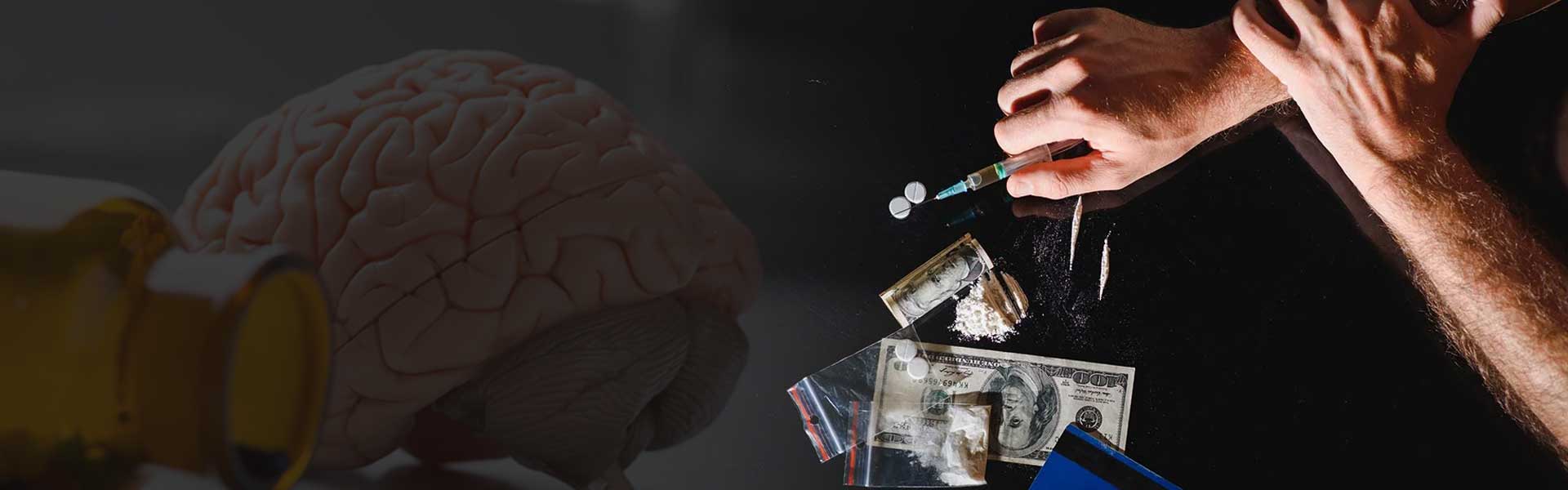
Addiction is a complex condition that affects brain function and behaviour. Over time, repeated substance use can make it increasingly difficult for an individual to control cravings or stop using alcohol or drugs without structured support.
Common contributing factors include:
- Stress
- Anxiety
- Depression
- Trauma
- Peer influence
- Family history
- Social pressure
- Easy access to addictive substances
- Low self-esteem
- Emotional isolation
Recognizing these factors helps create a more effective rehabilitation plan focused on long-term recovery rather than temporary abstinence.
Benefits of Professional Rehabilitation
Professional rehabilitation provides a structured environment where individuals can focus on recovery away from everyday triggers and unhealthy routines.
Some benefits include:
- Individualized treatment planning
- Professional counselling
- Behavioural support
- Family counselling
- Wellness activities
- Healthy daily routines
- Relapse prevention strategies
- Emotional healing
- Life skills development
- Ongoing recovery planning
The objective is to help individuals return to their families and communities with improved confidence and healthier coping mechanisms.
Areas We Serve in East Delhi
Families from various parts of East Delhi and nearby regions approach Shree Rama Foundation for rehabilitation support.
These areas may include:
- Preet Vihar
- Laxmi Nagar
- Shahdara
- Krishna Nagar
- Mayur Vihar
- Anand Vihar
- Vivek Vihar
- Geeta Colony
- Dilshad Garden
- Karkardooma
- Gandhi Nagar
- Patparganj
- Yamuna Vihar
- IP Extension
- Pandav Nagar
Our Commitment
At Shree Rama Foundation, we understand that seeking rehabilitation is a deeply personal decision. We are committed to providing a respectful, recovery-focused environment where individuals receive personalized care and families receive the guidance they need throughout the recovery journey.
Understanding Addiction: A Medical and Emotional Challenge
Addiction is a chronic condition that affects the brain, behaviour, and overall quality of life. It is not simply a matter of weak willpower or poor self-control. Over time, repeated use of alcohol or drugs changes the brain's reward system, making it increasingly difficult for an individual to stop without structured support.
People living with addiction often experience physical dependence, emotional instability, social isolation, financial difficulties, and strained family relationships. Professional rehabilitation focuses not only on helping individuals stop substance use but also on understanding the underlying causes and developing healthier ways to cope with life's challenges.
At Shree Rama Foundation, we believe that every individual deserves compassionate care and a personalized rehabilitation plan that addresses physical, psychological, emotional, and social recovery.
Common Causes of Addiction
There is no single cause of addiction. It often develops due to a combination of biological, psychological, environmental, and social factors.
Some common causes include:
-
Chronic stress and work pressure
-
Depression or anxiety
-
Emotional trauma
-
Family history of addiction
-
Peer pressure
-
Easy availability of addictive substances
-
Relationship conflicts
-
Academic or career-related stress
-
Low self-esteem
-
Loneliness and social isolation
Understanding these contributing factors helps create an effective rehabilitation plan that focuses on long-term recovery instead of short-term abstinence.
Drug Rehabilitation in East Delhi
Drug addiction can affect people from all walks of life, including students, professionals, homemakers, and senior citizens. Prolonged substance use may lead to physical dependence, impaired judgment, emotional instability, and serious health complications.
Individuals may struggle with dependency on:
-
Heroin
-
Cocaine
-
Cannabis
-
Opioids
-
Prescription medicines
-
Sleeping pills
-
Synthetic drugs
-
Inhalants
Every person's recovery journey is unique. At Shree Rama Foundation, rehabilitation programs are tailored according to the individual's health condition, addiction history, emotional well-being, and recovery goals.
Alcohol Rehabilitation in East Delhi
Alcohol addiction often develops gradually, making it difficult for individuals and families to recognize the seriousness of the problem in its early stages.
Some common warning signs include:
-
Daily or frequent drinking
-
Increased alcohol tolerance
-
Difficulty controlling alcohol intake
-
Withdrawal symptoms
-
Mood swings
-
Poor work performance
-
Family conflicts
-
Sleep disturbances
-
Memory problems
-
Loss of interest in daily activities
Professional rehabilitation provides structured support to help individuals overcome alcohol dependency while developing healthier coping strategies and lifestyle habits.
Mental Health and Addiction
Mental health and addiction frequently occur together. Individuals struggling with anxiety, depression, chronic stress, or emotional trauma may turn to alcohol or drugs as a coping mechanism. Similarly, long-term substance use can contribute to mental health challenges.
A comprehensive rehabilitation program should address both addiction and emotional well-being to support sustainable recovery.
Our counselling approach focuses on helping individuals:
-
Understand emotional triggers
-
Develop healthy coping strategies
-
Improve emotional resilience
-
Strengthen self-confidence
-
Build healthier relationships
-
Reduce the risk of relapse
Our Rehabilitation Process
Every recovery journey begins with understanding the individual rather than treating only the addiction.
Step 1: Confidential Assessment
The rehabilitation process begins with a confidential assessment that helps us understand:
-
Medical history
-
Substance use pattern
-
Emotional well-being
-
Family background
-
Lifestyle
-
Previous treatment history
-
Personal recovery goals
This information helps create an individualized rehabilitation plan.
Step 2: Personalized Treatment Planning
Recovery is different for every individual.
Based on the assessment, a structured rehabilitation plan may include:
-
Counselling sessions
-
Behavioural therapies
-
Wellness activities
-
Family counselling
-
Lifestyle improvement
-
Stress management
-
Relapse prevention education
Step 3: Individual Counselling
One-on-one counselling provides a safe and confidential environment where individuals can openly discuss:
-
Personal struggles
-
Emotional challenges
-
Addiction triggers
-
Trauma
-
Stress
-
Anxiety
-
Recovery goals
These sessions encourage self-awareness and help individuals build healthier thought patterns and coping mechanisms.
Step 4: Cognitive Behavioural Therapy (CBT)
Cognitive Behavioural Therapy (CBT) is a structured therapeutic approach that helps individuals identify and change negative patterns of thinking and behaviour.
CBT can help patients:
-
Understand addiction triggers
-
Improve emotional regulation
-
Replace harmful habits with healthier behaviours
-
Develop practical problem-solving skills
-
Strengthen relapse prevention strategies
Step 5: Group Therapy
Group therapy creates an environment where individuals can connect with others who share similar experiences.
Benefits include:
-
Mutual encouragement
-
Improved communication
-
Peer support
-
Shared learning
-
Increased motivation
-
Reduced feelings of isolation
Group sessions often help individuals realize that recovery is possible with consistent effort and support.
Step 6: Family Counselling
Addiction affects the entire family. Family counselling helps rebuild trust and improve communication while preparing loved ones to support recovery after rehabilitation.
Family sessions may focus on:
-
Understanding addiction
-
Healthy communication
-
Emotional support
-
Boundary setting
-
Relapse awareness
-
Long-term recovery planning
Step 7: Relapse Prevention
Recovery continues after rehabilitation.
Patients are encouraged to develop practical strategies that help them maintain long-term sobriety.
These strategies include:
-
Identifying triggers
-
Managing cravings
-
Building healthy routines
-
Developing positive relationships
-
Practicing stress management
-
Continuing counselling when needed
Relapse prevention planning is an essential part of sustainable recovery.
Why Early Rehabilitation Matters
Many people delay treatment because they hope addiction will resolve on its own. Unfortunately, delaying professional help can allow dependency to worsen, affecting health, relationships, work, and emotional well-being.
Seeking rehabilitation early can provide:
-
Better physical recovery
-
Improved emotional health
-
Stronger family relationships
-
Increased confidence
-
Healthier coping skills
-
Reduced risk of future complications
At Shree Rama Foundation, we encourage individuals and families to seek guidance as soon as they notice signs of addiction. Early support often leads to better long-term outcomes and a smoother recovery journey.
Comprehensive Rehabilitation Facilities at Shree Rama Foundation
A successful rehabilitation journey requires more than counselling sessions alone. A supportive environment, structured daily routine, healthy nutrition, emotional care, and ongoing motivation all contribute to long-term recovery.
At Shree Rama Foundation, we focus on creating a rehabilitation experience where individuals can work toward rebuilding their physical health, emotional balance, confidence, and independence.
Our rehabilitation programs are designed to encourage positive lifestyle changes while helping individuals move away from the patterns that contributed to addiction.
A Safe and Supportive Recovery Environment
The surroundings in which a person receives rehabilitation can significantly influence their progress.
A calm and well-organized environment helps reduce unnecessary stress and allows individuals to concentrate on healing without the distractions and triggers of everyday life.
Our rehabilitation centre encourages:
-
Respect and dignity for every individual
-
Positive daily routines
-
Personal responsibility
-
Emotional stability
-
Healthy social interaction
-
Constructive learning
-
A disciplined yet compassionate atmosphere
Creating this supportive environment helps patients remain focused on recovery and personal growth.
Comfortable Accommodation
Feeling physically comfortable is an important part of the rehabilitation process.
Our accommodation is designed to promote rest, cleanliness, and a healthy lifestyle.
Facilities may include:
-
Clean and hygienic rooms
-
Comfortable sleeping arrangements
-
Proper ventilation
-
Well-maintained washrooms
-
Safe drinking water
-
Daily housekeeping
-
Peaceful surroundings
Maintaining a clean living space also encourages discipline and self-care, which are valuable habits during recovery.
Healthy Nutrition for Physical Recovery
Long-term substance use often affects appetite, digestion, immunity, and overall health. A nutritious and balanced diet supports the body's recovery while improving energy and emotional well-being.
Our rehabilitation programs encourage healthy eating habits through meals that focus on:
-
Balanced nutrition
-
Fresh ingredients
-
Adequate hydration
-
Regular meal schedules
Good nutrition helps individuals regain physical strength and supports overall wellness during rehabilitation.
Individual Counselling for Personal Growth
Recovery is a deeply personal journey. Individual counselling gives each patient the opportunity to discuss their concerns privately in a supportive and confidential setting.
Counselling sessions may focus on:
-
Emotional healing
-
Understanding addiction triggers
-
Managing stress
-
Improving self-esteem
-
Setting realistic recovery goals
-
Building confidence
-
Strengthening decision-making skills
These conversations help individuals better understand themselves while preparing for long-term recovery.
Behavioural Therapy and Skill Development
Behavioural therapies help patients recognize unhealthy habits and replace them with healthier ways of thinking and responding.
Rehabilitation may include practical exercises that improve:
-
Communication skills
-
Emotional regulation
-
Problem-solving
-
Time management
-
Conflict resolution
-
Goal setting
-
Healthy decision-making
Developing these skills makes it easier to manage everyday challenges without returning to substance use.
Group Therapy and Peer Support
Recovery often becomes more meaningful when individuals realize that others have faced similar challenges.
Group therapy provides an opportunity to:
-
Share experiences
-
Learn from others
-
Offer encouragement
-
Develop empathy
-
Improve communication
-
Build confidence
-
Create positive social connections
These sessions promote mutual respect and help reduce the isolation that many people experience during addiction.
Family Counselling and Relationship Building
Addiction affects the entire family. Rebuilding healthy relationships is an important part of recovery.
Family counselling helps loved ones:
-
Understand the recovery process
-
Improve communication
-
Rebuild trust
-
Learn healthy boundaries
-
Support positive behavioural changes
-
Recognize early warning signs of relapse
When families participate actively in rehabilitation, individuals often feel more motivated and supported.
Yoga, Meditation, and Mindfulness
Managing stress is essential for maintaining recovery.
Practices such as yoga, meditation, and mindfulness can complement counselling by helping individuals:
-
Improve concentration
-
Reduce anxiety
-
Increase emotional awareness
-
Enhance relaxation
-
Develop patience
-
Improve sleep quality
These wellness practices encourage a balanced lifestyle that supports long-term recovery.
Physical Activity and Wellness
A healthy body supports a healthy mind.
Depending on individual needs, rehabilitation programs may include activities such as:
-
Morning walks
-
Stretching exercises
-
Light fitness sessions
-
Outdoor recreational activities
-
Guided relaxation
Regular physical activity improves mood, energy levels, and overall physical health.
Recreational Activities
Recovery should also include opportunities for enjoyment and creativity.
Constructive recreational activities encourage patients to rediscover hobbies and interests that contribute to a healthy lifestyle.
Examples include:
-
Indoor games
-
Reading sessions
-
Music and creative activities
-
Motivational workshops
-
Team-building exercises
-
Educational discussions
These activities help individuals develop confidence while strengthening social skills.
A Structured Daily Routine
Consistency plays an important role in successful rehabilitation.
Although every program is personalized, a typical day may include:
Morning
-
Wake-up routine
-
Personal hygiene
-
Yoga or meditation
-
Healthy breakfast
Mid-Morning
-
Individual counselling
-
Behavioural therapy
-
Educational sessions
Afternoon
-
Lunch
-
Rest period
-
Skill development activities
-
Group discussions
Evening
-
Recreational activities
-
Reflection sessions
-
Healthy dinner
-
Relaxation before bedtime
A structured schedule helps reduce idle time while promoting discipline and healthy habits.
Preparing for Life After Rehabilitation
Recovery continues long after the rehabilitation program is completed.
Our approach encourages patients to prepare for daily life by developing:
-
Healthy routines
-
Positive friendships
-
Better communication skills
-
Emotional resilience
-
Practical coping strategies
-
Realistic personal goals
The transition back into everyday life becomes smoother when individuals leave rehabilitation with confidence and a clear recovery plan.
Continued Recovery and Aftercare
Maintaining recovery requires ongoing commitment.
Aftercare planning may include:
-
Follow-up guidance
-
Lifestyle recommendations
-
Family support
-
Continued counselling when appropriate
-
Relapse prevention strategies
-
Goal reviews
Remaining connected to healthy support systems can help individuals continue progressing after completing rehabilitation.
Why Choose Shree Rama Foundation in East Delhi?
Families trust Shree Rama Foundation because our rehabilitation philosophy focuses on people—not just addiction.
We are committed to providing:
-
Individualized rehabilitation plans
-
Confidential care
-
Compassionate support
-
Structured recovery programs
-
Family participation
-
Holistic wellness
-
Emotional healing
-
Long-term recovery planning
Our mission is to help individuals regain confidence, rebuild relationships, and move toward a healthier and more fulfilling life.
Recovery Starts with Hope
Every recovery journey begins with a decision to seek help.
No matter how long addiction has affected someone's life, positive change is possible with professional guidance, family support, and personal commitment.
At Shree Rama Foundation, we strive to create an environment where individuals feel respected, encouraged, and empowered to work toward lasting recovery.
Every step forward—no matter how small—is a meaningful step toward a healthier future.
Admission Process at Shree Rama Foundation
Taking the first step toward rehabilitation can feel overwhelming for both individuals and their families. At Shree Rama Foundation, we aim to make the admission process simple, confidential, and supportive so that patients can begin their recovery journey with clarity and confidence.
Step 1 – Confidential Consultation
The process starts with a private discussion to understand the individual's concerns, substance use history, emotional well-being, and current challenges.
Step 2 – Initial Assessment
A comprehensive assessment helps determine the most suitable rehabilitation plan based on the individual's physical condition, emotional needs, and recovery goals.
Step 3 – Admission and Orientation
Once the treatment approach is explained and the family is comfortable with the process, admission formalities are completed. Patients are introduced to the rehabilitation environment, daily routine, and support system.
Step 4 – Personalized Rehabilitation Program
Each patient follows an individualized recovery plan that may include counselling, behavioural therapy, wellness activities, family participation, and relapse prevention strategies.
Step 5 – Recovery Planning and Aftercare
As rehabilitation progresses, patients are guided in preparing for life after treatment through healthy routines, family support, and long-term recovery planning.
Areas We Serve Across East Delhi
Shree Rama Foundation supports individuals and families from various localities in East Delhi and nearby regions.
Commonly served areas include:
-
Laxmi Nagar
-
Preet Vihar
-
Anand Vihar
-
Shahdara
-
Krishna Nagar
-
Geeta Colony
-
Gandhi Nagar
-
Patparganj
-
IP Extension
-
Dilshad Garden
-
Vivek Vihar
-
Karkardooma
-
Mayur Vihar
-
Pandav Nagar
-
Yamuna Vihar
Our goal is to make professional rehabilitation support accessible to families seeking compassionate and structured care.
Frequently Asked Questions (FAQ)
1. What is a rehabilitation centre?
A rehabilitation centre provides structured support for individuals recovering from addiction through counselling, behavioural therapies, wellness activities, and long-term recovery planning.
2. How do I know if someone needs rehabilitation?
Professional rehabilitation should be considered when a person is unable to stop using alcohol or drugs despite negative effects on health, relationships, work, or daily life.
3. What types of addiction can rehabilitation help with?
Depending on individual assessment, rehabilitation programs may support recovery from alcohol dependency, drug addiction, prescription medication misuse, and other substance-related challenges.
4. Is addiction a medical condition?
Addiction is widely recognised as a chronic condition that affects brain function and behaviour. Effective recovery often involves structured professional support.
5. How long does rehabilitation take?
The duration of rehabilitation varies depending on the individual's condition, treatment goals, and progress. A personalized assessment helps determine the most appropriate program.
6. Is counselling included?
Yes. Counselling is an important part of rehabilitation because it helps individuals understand emotional triggers, behavioural patterns, and healthier coping strategies.
7. Why is family involvement important?
Family support can strengthen recovery by improving communication, rebuilding trust, and creating a positive environment after rehabilitation.
8. What is relapse prevention?
Relapse prevention involves identifying personal triggers, developing healthy coping mechanisms, and preparing individuals for life after rehabilitation.
9. Can young adults receive rehabilitation?
Yes. Young adults experiencing addiction can benefit from structured rehabilitation programs tailored to their needs.
10. Can working professionals receive treatment?
Yes. Many working professionals seek rehabilitation support, and treatment planning is based on the individual's condition and recovery requirements.
11. Is rehabilitation confidential?
Confidentiality is an essential part of professional rehabilitation services. Personal information and treatment details are handled with appropriate privacy.
12. What happens during the first consultation?
The first consultation focuses on understanding the individual's addiction history, emotional health, lifestyle, and recovery goals before developing a suitable rehabilitation plan.
13. Can addiction affect mental health?
Yes. Addiction and mental health conditions often occur together, making emotional support and counselling important parts of rehabilitation.
14. Does rehabilitation focus only on stopping substance use?
No. Effective rehabilitation also focuses on emotional healing, behavioural change, healthy routines, family relationships, and long-term recovery.
15. Why choose Shree Rama Foundation?
Shree Rama Foundation emphasizes compassionate care, individualized rehabilitation programs, counselling, family support, wellness practices, and sustainable recovery planning.
Why Early Rehabilitation Can Make a Difference
Seeking professional support at an early stage may help individuals address addiction before it leads to more serious health, emotional, social, or financial challenges.
Early rehabilitation can contribute to:
-
Better physical recovery
-
Improved emotional well-being
-
Stronger family relationships
-
Greater self-confidence
-
Healthier lifestyle habits
-
Reduced risk of relapse
The sooner support is sought, the greater the opportunity to build a stable and positive future.
Why Families Trust Shree Rama Foundation
Families choose Shree Rama Foundation because we believe rehabilitation is about restoring hope, dignity, and purpose.
Our commitment includes:
-
Compassionate and respectful care
-
Personalized recovery plans
-
Confidential rehabilitation services
-
Structured daily routines
-
Professional counselling
-
Family participation
-
Wellness-focused recovery
-
Long-term guidance
Every rehabilitation journey is unique, and our goal is to support individuals at every stage of their recovery.
Begin Your Recovery Journey Today
Recovery begins with a single decision—the decision to seek help.
Whether you are looking for support for yourself or someone you care about, Shree Rama Foundation is committed to providing a safe, respectful, and encouraging rehabilitation environment.
If you would like to learn more about our rehabilitation programs, admission process, or available support services, contact our team today. We are here to answer your questions, explain the recovery process, and help you take the first step toward a healthier future.
Shreerama Foundation is located in Sector 112, Noida, and welcomes patients from across the Delhi NCR region — including Delhi, Ghaziabad, Greater Noida, Faridabad, and Gurgaon. We offer safe and secure patient pickup services across NCR, along with 24×7 admission support for individuals and families seeking help, no matter where in the region they are located.
Based in Noida
Serving patients across Delhi NCR with trusted rehabilitation services.
Patient Pickup
Safe and secure patient pickup services available across India.
24×7 Admission
Emergency admissions are available anytime, day or night.
Psychiatrist Evaluation
Expert psychiatric assessment with personalized treatment plans.
Clinical Psychologist
Professional counselling and therapy for emotional well-being.
Family Counselling
Helping families support their loved one's recovery journey.
Yoga & Meditation
Daily sessions to improve mental peace and physical wellness.
Medical Detox
Safe detoxification under experienced medical supervision.
Confidential Treatment
Your privacy is protected throughout the treatment process.
Follow-up Care
Continuous guidance and counselling after discharge.