
- Home
- Best Nasha Mukti Kendra in Noida
Best Nasha Mukti Kendra in Noida for Drug & Alcohol Addiction Treatment
Are you searching for a reliable Nasha Mukti Kendra in Noida for yourself or someone in your family? Shreerama Foundation provides addiction rehabilitation support and guidance for individuals experiencing difficulties related to alcohol, drugs and substance use.
Addiction is a complex health condition that can affect physical health, mental well-being, family relationships, professional life and social functioning. Overcoming substance dependence may require medical assessment, psychological counselling, behavioural interventions, family support and continuing recovery care.
Located at SK-45, Sector 112, Noida, Uttar Pradesh, Shreerama Foundation welcomes enquiries from individuals and families seeking information about drug addiction treatment, alcohol de-addiction, rehabilitation and recovery support.
Our approach focuses on understanding each individual's circumstances, substance use history, health concerns and recovery needs before identifying appropriate treatment options.
If you are looking for a Nasha Mukti Kendra in Noida, contact our team to understand the available services, clinical arrangements, admission process and treatment options.
Why Choose Shreerama Foundation as a Nasha Mukti Kendra in Noida?
Choosing an appropriate de-addiction centre is an important decision for individuals and their families. A suitable rehabilitation facility should provide a safe environment, transparent admission procedures, qualified professional support and an individualised treatment approach.
Shreerama Foundation aims to support individuals and families through a structured approach to addiction recovery.
Our Approach to Addiction Rehabilitation
-
Individual assessment and understanding of substance use history.
-
Drug and alcohol addiction rehabilitation support.
-
Medical assessment and referral arrangements.
-
Withdrawal-risk evaluation.
-
Psychological counselling.
-
Behavioural therapy, where clinically appropriate.
-
Family counselling and recovery education.
-
Structured daily routines and wellness activities.
-
Relapse prevention planning.
-
Continuing recovery guidance and follow-up support.
The availability of individual clinical services, medical supervision and residential facilities should be confirmed with our team before admission.
What Is a Nasha Mukti Kendra?
A Nasha Mukti Kendra, also known as a de-addiction centre, is a facility that provides support and treatment services for individuals experiencing problems related to alcohol or drug use.
Substance use disorders can affect the brain, behaviour, physical health, relationships and everyday activities. Professional treatment may help individuals understand their condition, manage withdrawal risks, address psychological factors and develop healthier coping strategies.
A comprehensive addiction treatment programme may involve:
-
Initial medical and psychological assessment.
-
Evaluation of substance use and withdrawal risks.
-
Medical treatment or referral when necessary.
-
Psychological counselling and behavioural interventions.
-
Family education and support.
-
Recovery planning and relapse prevention.
-
Continuing care after the initial treatment phase.
A Nasha Mukti Kendra should not be evaluated only on accommodation or the duration of its programmes. Medical safety, professional qualifications, patient rights and continuity of care are equally important.
Drug Addiction Treatment in Noida
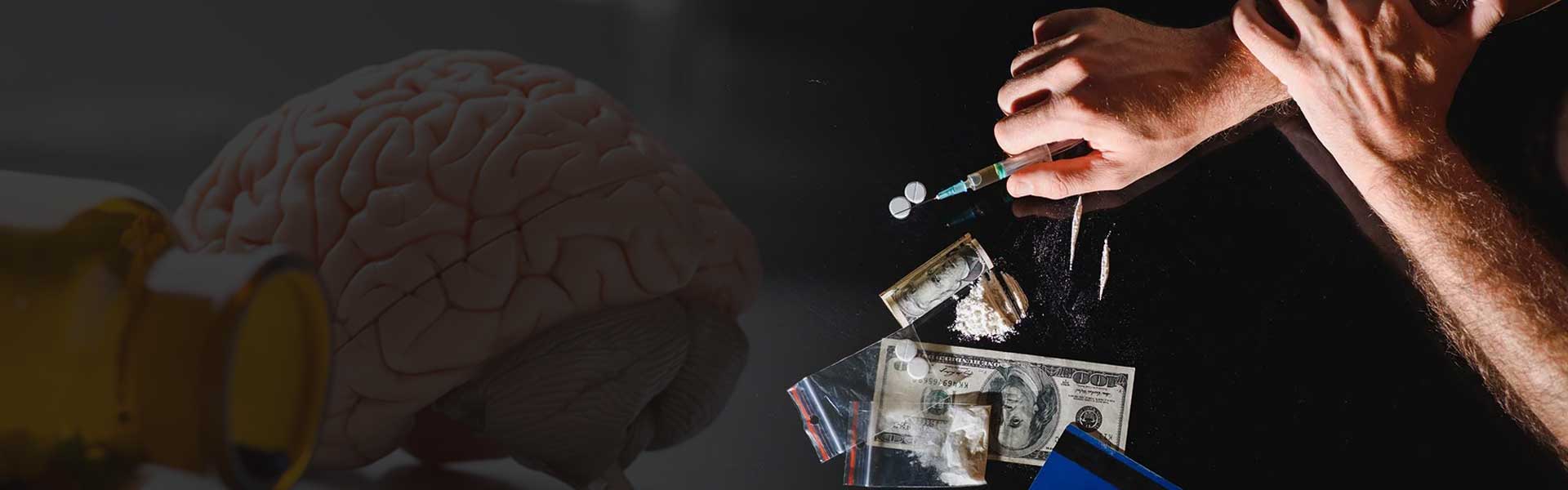
Drug addiction, clinically referred to as a substance use disorder when diagnostic criteria are met, is a health condition involving problematic patterns of substance use.
An individual may experience strong cravings, difficulty controlling consumption, increased tolerance, withdrawal symptoms or continued substance use despite harmful consequences.
Drug dependence can affect physical health, mental health, employment, education and family relationships.
Shreerama Foundation welcomes enquiries from individuals and families looking for drug addiction rehabilitation support in Noida.
Types of Drug and Substance Dependence
Substances associated with addiction and dependence may include:
1. Heroin and Opioids
Heroin and other opioids can cause physical dependence, cravings and potentially dangerous withdrawal-related complications. Medical assessment is important when planning treatment.
2. Cocaine
Cocaine is a stimulant that can affect the cardiovascular system, sleep, mood and mental health. Treatment may require psychological and medical support.
3. Methamphetamine
Methamphetamine can affect sleep, behaviour, mental health and physical functioning. Some individuals may experience anxiety, depression, paranoia or other psychiatric symptoms.
4. Cannabis
Regular cannabis use can lead to dependence in some individuals. Treatment may address cravings, sleep disturbances, motivation, anxiety and difficulties in daily functioning.
5. Prescription Medication Dependence
Some prescription medicines can cause dependence or be misused, particularly when taken differently from medical instructions. Treatment should be guided by qualified healthcare professionals.
6. Polysubstance Use
Polysubstance use refers to the use of multiple substances, sometimes simultaneously. This can increase medical risks and make assessment and treatment more complex.
How Does Drug Addiction Treatment Work?
Drug addiction treatment should be personalised according to the substance involved, duration of use, physical health, mental health and individual circumstances.
A treatment pathway may include:
-
Detailed substance use history.
-
Medical and psychological assessment.
-
Withdrawal-risk evaluation.
-
Appropriate medical management.
-
Individual counselling.
-
Behavioural interventions.
-
Family education.
-
Recovery goal setting.
-
Relapse prevention planning.
-
Continuing care and follow-up.
Not every individual requires the same treatment or level of care. The appropriate approach should be determined by qualified professionals.
Alcohol Addiction Treatment in Noida
Alcohol dependence is a serious health concern that may affect the liver, brain, cardiovascular system, nervous system and mental well-being.
Some individuals find it difficult to reduce or stop drinking even when alcohol use is affecting their health, work or family life.
Professional assessment can help identify the severity of alcohol-related problems and determine the appropriate level of treatment.
Common Signs of Alcohol Dependence
-
Strong urges or cravings to consume alcohol.
-
Difficulty controlling drinking.
-
Drinking more than originally intended.
-
Increasing tolerance to alcohol.
-
Repeated unsuccessful attempts to stop drinking.
-
Neglecting personal and professional responsibilities.
-
Continuing to drink despite health problems.
-
Experiencing withdrawal symptoms when alcohol consumption decreases or stops.
Experiencing one or more of these signs does not automatically establish a diagnosis. A qualified healthcare professional should conduct an appropriate assessment.
Alcohol De-Addiction Treatment Process
Treatment for alcohol dependence may involve:
Medical Assessment: Reviewing alcohol consumption patterns, medical history, physical health and possible complications.
Withdrawal-Risk Evaluation: Determining whether stopping alcohol could lead to dangerous withdrawal symptoms.
Medical Withdrawal Management: Providing appropriate medical supervision and treatment when necessary.
Psychological Counselling: Addressing cravings, triggers, emotional challenges and behaviour patterns.
Family Support: Helping family members understand addiction and participate in recovery where appropriate.
Relapse Prevention: Developing strategies to recognise high-risk situations and manage the risk of returning to alcohol use.
Continuing Care: Arranging appropriate follow-up, counselling and ongoing support.
Important Medical Warning About Alcohol Withdrawal
People with alcohol dependence should not suddenly stop drinking without medical advice.
Alcohol withdrawal can sometimes lead to seizures, hallucinations, severe confusion and delirium. These symptoms require urgent medical attention.
A person experiencing severe withdrawal symptoms should be taken to an appropriate emergency medical facility.
Medical Detoxification and Withdrawal Management
Medical detoxification refers to the process of managing the physical effects associated with reducing or stopping substance use.
It is often an early part of treatment, but detoxification alone is not a complete solution for addiction.
Different substances produce different withdrawal symptoms and risks. The treatment approach depends on the substance, quantity, duration of use and the person's overall health.
Common Withdrawal Symptoms
Withdrawal symptoms vary from person to person and may include:
-
Anxiety and restlessness.
-
Sleep disturbances.
-
Sweating and tremors.
-
Nausea and vomiting.
-
Irritability and mood changes.
-
Difficulty concentrating.
-
Cravings for the substance.
-
Changes in appetite.
-
Physical discomfort.
Certain withdrawal conditions can become serious or life-threatening.
Why Is Medical Supervision Important?
Appropriate medical supervision can help healthcare professionals:
-
Assess the patient's medical condition.
-
Identify possible withdrawal complications.
-
Monitor physical and psychological symptoms.
-
Determine whether hospital-based care is necessary.
-
Provide appropriate treatment.
-
Plan the next stage of rehabilitation.
Medication should never be started, stopped or adjusted without appropriate medical advice.
Psychiatric Assessment and Dual Diagnosis Treatment
Substance use disorders may occur alongside mental health conditions. When both are present, the situation may be described as co-occurring disorders or dual diagnosis.
Some individuals may experience mental health symptoms before developing substance use problems. Others may develop psychological difficulties associated with substance use.
Mental Health Conditions That May Co-Occur With Addiction
-
Depression.
-
Anxiety disorders.
-
Bipolar disorder.
-
Post-traumatic stress symptoms.
-
Sleep disorders.
-
Stress-related conditions.
-
Other psychiatric concerns.
Why Is Psychiatric Assessment Important?
A psychiatric assessment helps identify mental health symptoms, understand their relationship with substance use and determine whether additional treatment is required.
A comprehensive assessment may consider:
-
Emotional and behavioural symptoms.
-
Previous psychiatric history.
-
Substance use patterns.
-
Sleep and appetite changes.
-
Medication history.
-
Risk of self-harm.
-
Social and family circumstances.
Integrated care may be necessary when substance use and mental health conditions occur together. Treatment should be coordinated by appropriately qualified professionals.
Psychological Counselling for Addiction Recovery
Psychological counselling can help individuals understand the thoughts, emotions and behavioural patterns associated with substance use.
It may also support the development of practical strategies for managing cravings, stress, interpersonal conflicts and situations that increase the risk of returning to substance use.
Benefits of Addiction Counselling
-
Understanding personal addiction triggers.
-
Improving emotional regulation.
-
Managing cravings.
-
Developing healthier coping skills.
-
Improving decision-making.
-
Building motivation for recovery.
-
Addressing relationship difficulties.
-
Preparing for everyday life after treatment.
Counselling should be adapted to the person's needs, readiness and clinical condition.
Cognitive Behavioural Therapy (CBT) for Drug and Alcohol Addiction
Cognitive Behavioural Therapy is a structured psychological approach that helps individuals understand the connection between thoughts, emotions and behaviours.
CBT-based techniques may be used as part of addiction treatment when appropriate.
How CBT Can Support Recovery
-
Identifying situations that trigger substance use.
-
Recognising unhelpful thinking patterns.
-
Developing healthier responses to cravings.
-
Learning stress-management techniques.
-
Improving problem-solving skills.
-
Practising refusal and decision-making skills.
-
Building relapse prevention strategies.
CBT should be provided by appropriately trained mental health professionals.
Motivational Interviewing for Addiction Treatment
Motivational Interviewing is a counselling approach designed to help individuals explore their own reasons for considering behavioural change.
People experiencing addiction may have mixed feelings about treatment. Some may recognise the harmful effects of substance use but feel uncertain about stopping.
Motivational Interviewing may help individuals:
-
Explore personal reasons for change.
-
Identify barriers to recovery.
-
Strengthen motivation.
-
Build confidence in making healthier decisions.
-
Develop achievable recovery goals.
This approach can complement other appropriate treatment interventions.
Individual and Group Counselling
Different people respond to different forms of psychological support.
Individual Counselling
Individual counselling provides an opportunity to discuss personal challenges in a confidential and supportive setting, subject to applicable privacy requirements.
Topics may include cravings, stress, emotional difficulties, family concerns, substance use triggers and recovery goals.
Group Counselling
Group counselling may provide opportunities for individuals to learn from shared experiences, practise communication and develop supportive relationships.
Group participation should be voluntary and conducted with appropriate professional supervision and confidentiality arrangements.
Family Counselling at a Nasha Mukti Kendra
Addiction can affect the entire family. Parents, spouses, children and caregivers may experience stress, anxiety, communication problems and uncertainty about how to support a loved one.
Family counselling can help family members understand addiction and learn healthier ways of supporting recovery.
How Family Counselling Helps
-
Understanding substance use disorders.
-
Improving communication.
-
Learning supportive behaviour.
-
Establishing healthy boundaries.
-
Addressing family-related stress.
-
Recognising possible warning signs of relapse.
-
Developing a supportive home environment.
Family participation should be based on the patient's consent and appropriate clinical considerations.
12-Step Recovery Support Programme
The 12-Step approach is a structured recovery model used by some peer-support and mutual-help communities.
It generally focuses on personal responsibility, reflection, acceptance, support from others and ongoing recovery practices.
Some individuals find peer-support programmes helpful alongside professional addiction treatment.
However, the 12-Step approach is not suitable or necessary for every person. It should be considered as one possible recovery support option rather than a replacement for medical or psychological treatment.
Relapse Prevention and Long-Term Recovery Support
Addiction recovery is an ongoing process. Some individuals may experience a return to substance use during recovery.
A return to use does not mean that treatment has failed. It may indicate that the treatment plan needs to be reassessed or additional support is required.
Relapse Prevention Strategies
A relapse prevention plan may include:
-
Identifying personal triggers.
-
Recognising early warning signs.
-
Developing healthy coping strategies.
-
Maintaining follow-up appointments.
-
Building a supportive social environment.
-
Managing stress and sleep.
-
Avoiding high-risk situations where appropriate.
-
Seeking professional help when cravings increase.
-
Developing an emergency support plan.
-
Maintaining engagement with continuing care.
A personalised aftercare plan can support continuity between rehabilitation and everyday life.
Yoga, Meditation and Healthy Lifestyle Activities
Yoga, meditation and suitable physical activities may complement an addiction recovery programme.
These activities can support relaxation, self-awareness, stress management and the development of healthier routines.
Supportive wellness activities may include:
-
Yoga and stretching.
-
Meditation and breathing exercises.
-
Walking and suitable physical activity.
-
Healthy sleep routines.
-
Balanced nutrition.
-
Recreational activities.
-
Mindfulness practices.
These activities are supportive measures and should not replace medical treatment, psychiatric care or evidence-based psychological interventions.
Facilities at Shreerama Foundation, Noida
The treatment environment is an important consideration when selecting a Nasha Mukti Kendra.
Families should understand the accommodation arrangements, available facilities, medical support, privacy policies and daily care procedures before admission.
Shreerama Foundation is located in Sector 112, Noida. Families can contact our team to confirm the currently available facilities and admission arrangements.
The following facility details should be verified and published according to actual availability:
-
Accommodation and room arrangements.
-
Cleanliness and hygiene.
-
Food and nutritional arrangements.
-
Counselling spaces.
-
Daily rehabilitation activities.
-
Recreational and wellness facilities.
-
Medical assessment and referral arrangements.
-
Patient privacy and confidentiality.
-
Family communication arrangements.
-
Emergency response procedures.
We encourage families to visit the centre, ask questions and understand the treatment arrangements before making an admission decision.
How to Choose the Right Nasha Mukti Kendra in Noida
Selecting an addiction rehabilitation facility requires careful consideration.
Before choosing a Nasha Mukti Kendra, families should verify the following:
1. Registration and Legal Compliance
Ask about the facility's applicable registrations, permissions and regulatory compliance. Verify the documents with the issuing authority where appropriate.
2. Qualified Medical Professionals
Ask about the qualifications, professional registration and responsibilities of doctors, psychiatrists and other healthcare professionals.
3. Medical Safety
Understand how withdrawal symptoms, medical complications and emergencies are managed.
4. Individual Treatment Planning
The treatment programme should consider the patient's medical history, substance use, mental health and recovery needs.
5. Psychological Support
Ask about counselling methods, therapist qualifications and the frequency of sessions.
6. Patient Rights
Understand admission consent, privacy, confidentiality, communication, grievance procedures and discharge policies.
7. Family Participation
Ask how family members can receive guidance and participate in treatment with appropriate consent.
8. Fees and Transparency
Request a written explanation of treatment charges, accommodation fees, additional expenses and refund policies.
9. Aftercare Services
Ask whether the centre provides follow-up consultations, counselling or referrals after discharge.
A responsible rehabilitation centre should answer these questions clearly and without making unrealistic promises.
Admission Process at Shreerama Foundation
Every individual has different medical, psychological and social needs. Therefore, admission should begin with an appropriate assessment.
Families looking for a Nasha Mukti Kendra in Noida can contact Shreerama Foundation to enquire about the following steps.
Step 1: Initial Enquiry
Contact our team to explain the substance use concern, current situation and reason for seeking treatment.
Step 2: Preliminary Information
Share relevant information about substance use history, previous treatment, medical conditions and current symptoms.
Step 3: Clinical Assessment
An appropriately qualified healthcare professional should assess medical history, withdrawal risks, psychological concerns and the suitability of the proposed care setting.
Step 4: Treatment Discussion
Understand the recommended treatment approach, available services, costs and expected responsibilities.
Step 5: Informed Admission
Admission should follow applicable legal requirements, informed consent and patient rights procedures.
Step 6: Individualised Recovery Planning
The care team should explain the treatment plan, monitoring arrangements and continuing recovery needs.
Families should confirm current admission availability and the medical facilities before arranging transportation.
Nasha Mukti Kendra in Sector 112, Noida – Serving Delhi NCR
Shreerama Foundation is located at SK-45, Sector 112, Noida, Uttar Pradesh – 201305.
Individuals and families from different parts of Delhi NCR can contact the centre to enquire about available addiction rehabilitation services.
We welcome enquiries from:
-
Sector 112, Noida.
-
Sector 116, Noida.
-
Sector 62, Noida.
-
Sector 18, Noida.
-
Greater Noida.
-
Ghaziabad.
-
Indirapuram.
-
Vaishali.
-
Delhi.
-
Faridabad.
-
Gurgaon.
-
Other nearby areas.
If you are searching for a Nasha Mukti Kendra near Noida, a drug de-addiction centre or an alcohol rehabilitation facility in Delhi NCR, contact our team to discuss the available services and admission process.
Location, transportation and patient pickup arrangements must be confirmed directly before making any travel plans.
Frequently Asked Questions – Best Nasha Mukti Kendra in Noida
1. Which is the best Nasha Mukti Kendra in Noida?
The appropriate Nasha Mukti Kendra is one that provides suitable clinical assessment, qualified professional care, safe withdrawal management, individualised treatment, patient rights and continuing recovery support. Families should verify the centre's credentials and facilities before admission.
2. Where is Shreerama Foundation located?
Shreerama Foundation is located at SK-45, Sector 112, Noida, Uttar Pradesh – 201305, India.
3. Does Shreerama Foundation provide drug addiction treatment?
Shreerama Foundation's website provides information about drug addiction rehabilitation and de-addiction support. Contact the centre to confirm current clinical services and admission arrangements.
4. Is alcohol addiction treatment available in Noida?
Alcohol addiction treatment may involve medical assessment, withdrawal-risk evaluation, psychological counselling, appropriate medical management and continuing recovery support. Contact Shreerama Foundation to confirm available services.
5. What is the difference between a Nasha Mukti Kendra and a rehabilitation centre?
A Nasha Mukti Kendra generally refers to a de-addiction facility focused on substance-related problems. A rehabilitation centre may provide a wider range of medical, psychological, behavioural and social rehabilitation services.
6. How long does drug addiction treatment take?
Treatment duration varies according to the substance, severity of dependence, physical and mental health, treatment setting and individual progress. There is no fixed duration appropriate for everyone.
7. Is alcohol withdrawal dangerous?
Yes. Alcohol withdrawal can sometimes cause seizures, hallucinations and delirium. People with alcohol dependence should seek medical advice before stopping alcohol. Severe withdrawal symptoms require emergency medical care.
8. What is medical detoxification?
Medical detoxification is the process of managing the physical effects of reducing or stopping substance use. It may involve medical monitoring, symptom management and treatment of withdrawal-related complications.
9. Can drug addiction be treated?
Yes. Substance use disorders can be treated through appropriate medical, psychological and social interventions. Treatment plans should be personalised and may require continuing care.
10. What is dual diagnosis in addiction treatment?
Dual diagnosis refers to the co-occurrence of a substance use disorder and another mental health condition. Examples may include depression, anxiety and bipolar disorder. Both concerns may need coordinated professional care.
11. What is CBT in addiction treatment?
Cognitive Behavioural Therapy is a structured psychological approach that helps individuals identify unhelpful thinking patterns, recognise triggers and develop healthier coping strategies.
12. Is family counselling important during rehabilitation?
Family counselling can help family members understand addiction, improve communication, establish healthy boundaries and provide appropriate recovery support.
13. What is relapse prevention?
Relapse prevention involves identifying triggers, recognising warning signs, developing coping strategies and maintaining continuing support to reduce the risk of returning to substance use.
14. Does detoxification alone cure addiction?
No. Detoxification may help manage physical withdrawal, but addiction treatment may also require psychological interventions, medical care, behavioural support and continuing recovery planning.
15. Can a patient receive treatment for both alcohol and drug addiction?
Yes, individuals with more than one substance-related problem may require a comprehensive assessment and an integrated treatment plan.
16. Are psychiatric services important in a Nasha Mukti Kendra?
Psychiatric assessment can be important when individuals have mental health symptoms, co-occurring conditions or complex substance-related concerns. Appropriate evaluation should be conducted by qualified professionals.
17. Can family members visit a patient during rehabilitation?
Visiting arrangements depend on the centre's policies, clinical recommendations, patient consent and applicable requirements. Families should confirm visiting rules before admission.
18. Is addiction treatment confidential?
Healthcare facilities should follow applicable privacy and confidentiality requirements. Families should ask about patient records, information sharing and consent procedures.
19. Can someone from Delhi or Ghaziabad get admission in Noida?
Individuals and families from Delhi, Ghaziabad, Greater Noida, Faridabad and Gurgaon can contact Shreerama Foundation to enquire about admission eligibility and currently available services.
20. What should families bring during admission?
The required documents and personal items depend on the centre's admission policy. Families should ask for a written checklist covering identification, medical records, current medication details and permitted personal belongings.
21. Does rehabilitation guarantee permanent recovery?
No centre can guarantee permanent recovery. Addiction recovery is an individual process that may require ongoing treatment, lifestyle changes, psychological support and follow-up care.
22. What should I do if a person experiences severe withdrawal symptoms?
Seek immediate medical attention. Seizures, severe confusion, hallucinations, breathing difficulties or unconsciousness require emergency medical care. Do not attempt to manage a serious withdrawal emergency at home.
23. What is the role of counselling in de-addiction?
Counselling can help individuals understand substance use triggers, improve coping strategies, address emotional difficulties and develop practical recovery goals.
24. How can I enquire about admission at Shreerama Foundation?
You can call +91-9971908266 or email theshreeramafoundation@gmail.com to discuss available services, assessment procedures and admission arrangements.
25. How can I choose a safe Nasha Mukti Kendra?
Check applicable registrations, professional qualifications, medical supervision, emergency referral arrangements, patient consent, privacy policies, accommodation, treatment plans and transparent fees before admission.
Contact Shreerama Foundation – Nasha Mukti Kendra in Noida
Taking the first step towards addiction treatment can be difficult for individuals and families. However, seeking professional guidance can help identify appropriate care options and reduce uncertainty.
Shreerama Foundation welcomes enquiries from individuals and families seeking information about drug addiction rehabilitation, alcohol de-addiction, counselling and recovery support in Noida and Delhi NCR.
Medical Disclaimer
The information on this page is intended for general educational purposes and does not replace professional medical advice, diagnosis or treatment. Every individual's treatment needs are different. Medical decisions should be made by qualified healthcare professionals after an appropriate assessment.
In the event of a medical emergency, severe withdrawal symptoms, seizures, breathing difficulties or loss of consciousness, seek immediate emergency medical assistance or visit the nearest appropriate hospital.
Our Doctors
Our experienced and compassionate medical professionals are dedicated to providing personalized care, guidance and support throughout every stage of the recovery journey.
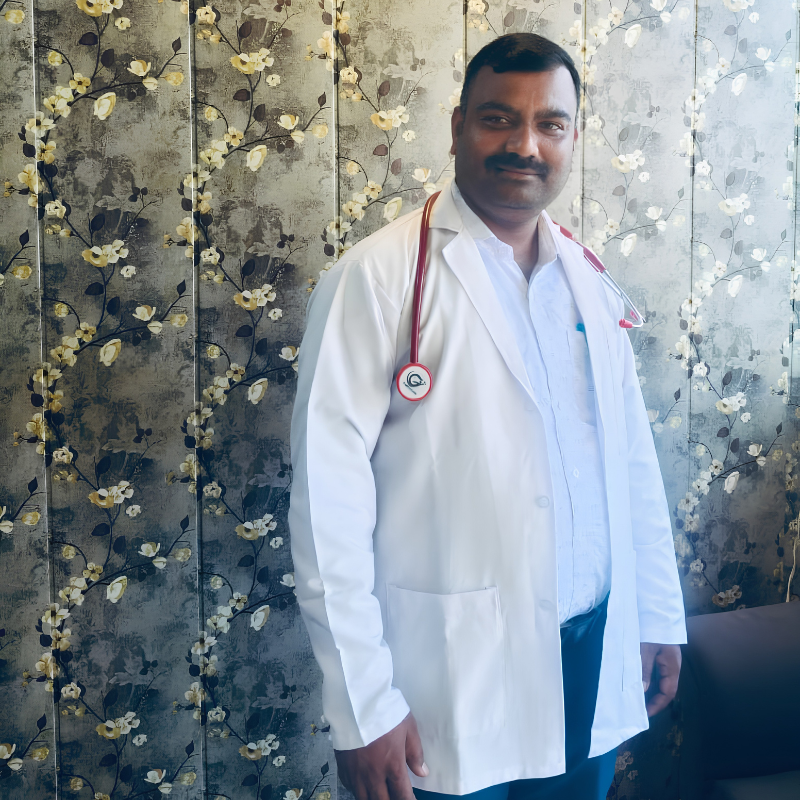
Dr. Manoj Kumar
Medical Specialist
Dedicated medical professional providing compassionate care, medical assessment, personalized guidance, and continuous support to help individuals move towards better health and recovery.
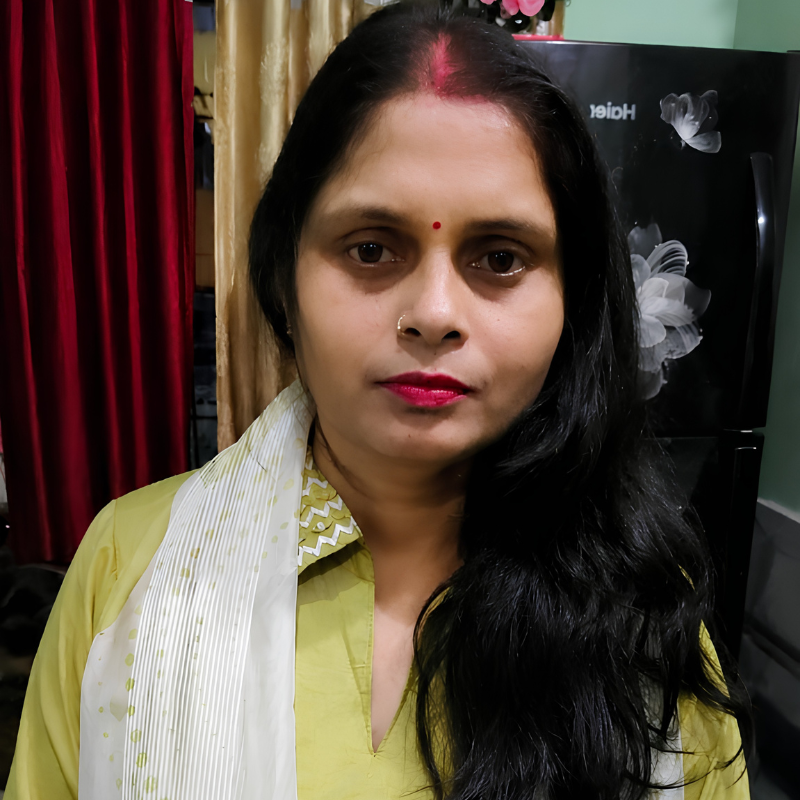
Dr. Devi Neeta
General Nurse & Midwife
Dedicated nursing professional trained in General Nursing and Midwifery, committed to providing compassionate patient care, health support, and professional assistance throughout the recovery journey.
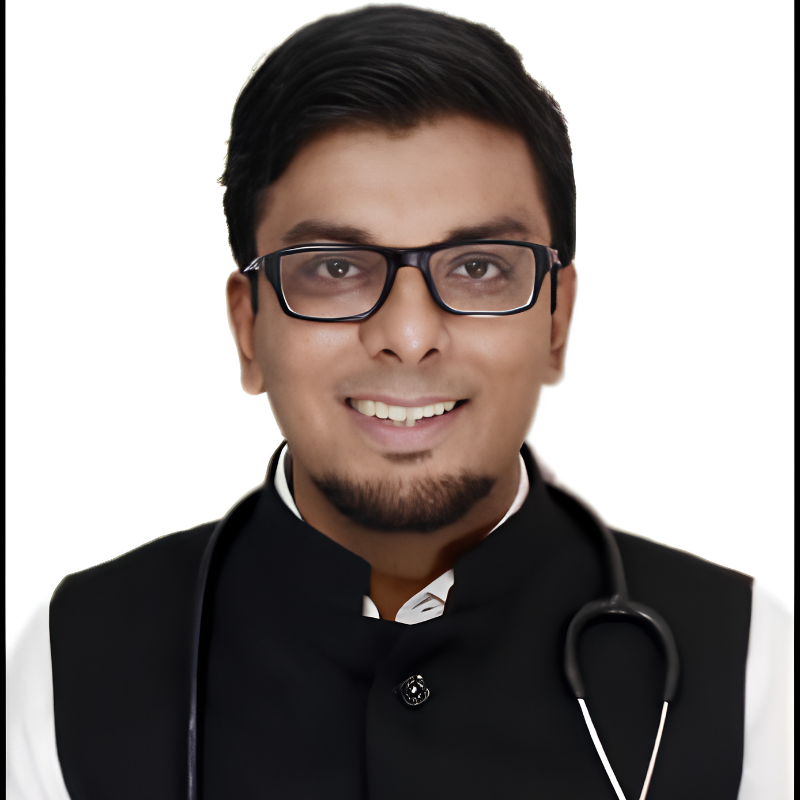
Dr. Jateen Ukrani
Psychiatrist / Mental Health Specialist
Dr. Jateen Ukrani is a qualified psychiatrist with an MBBS and D.N.B. in Psychiatry. He specializes in the assessment and management of mental health and psychiatric concerns, providing professional care focused on patients’ psychological and emotional well-being.

Dr. Priyanka Priyadarshini
Clinical Psychologist
Priyanka Priyadarshini is a registered Clinical Psychologist recognized by the Rehabilitation Council of India (RCI). She provides professional psychological assessment and mental health support, with a focus on understanding and addressing emotional, behavioral, and psychological concerns.
Based in Noida
Serving patients across Delhi NCR with trusted rehabilitation services.
Patient Pickup
Safe and secure patient pickup services available across India.
24×7 Admission
Emergency admissions are available anytime, day or night.
Psychiatrist Evaluation
Expert psychiatric assessment with personalized treatment plans.
Clinical Psychologist
Professional counselling and therapy for emotional well-being.
Family Counselling
Helping families support their loved one's recovery journey.
Yoga & Meditation
Daily sessions to improve mental peace and physical wellness.
Medical Detox
Safe detoxification under experienced medical supervision.
Confidential Treatment
Your privacy is protected throughout the treatment process.
Follow-up Care
Continuous guidance and counselling after discharge.