
- Home
- Best Nasha Mukti Kendra in South Delhi
Best Nasha Mukti Kendra in South Delhi for Drug & Alcohol Addiction Recovery
Regain Control of Your Life with the Best Nasha Mukti Kendra in South Delhi
Addiction affects not only the individual but also their family, relationships, career, and overall quality of life. At Shree Rama Foundation, we believe that recovery is possible with the right guidance, professional treatment, and compassionate care.
As a trusted Nasha Mukti Kendra in South Delhi, we provide structured rehabilitation programs for individuals struggling with alcohol addiction, drug dependency, prescription medicine abuse, and co-occurring mental health conditions. Our goal is to help every patient achieve long-term recovery through evidence-based therapies, personalized treatment plans, and continuous emotional support.
Whether you or your loved one is facing addiction for the first time or has experienced multiple relapses, our dedicated rehabilitation team works closely with patients and families to build a strong foundation for lasting recovery.
Call Now for Confidential Admission
Introduction
Trusted Rehabilitation Centre in South Delhi
Substance addiction has become one of the fastest-growing health concerns in India. Increasing work pressure, emotional stress, depression, anxiety, social influence, and easy access to addictive substances have contributed to the rise in alcohol and drug dependency among teenagers, working professionals, homemakers, and senior citizens.
Finding a reliable Nasha Mukti Kendra in South Delhi is one of the most important decisions for families seeking professional treatment. Addiction cannot usually be overcome through willpower alone. Long-term recovery often requires medical supervision, psychological counselling, behavioural therapy, family support, and a structured rehabilitation program.
At Shree Rama Foundation, we understand that every individual's journey is unique. That is why our rehabilitation approach focuses on personalized treatment rather than one-size-fits-all solutions. Our programs are designed to address the physical, emotional, psychological, and social aspects of addiction.
We strive to create a safe, confidential, and supportive environment where individuals can focus entirely on recovery without fear of judgment.
Why Choose Shree Rama Foundation?
Why Families Trust Shree Rama Foundation
Choosing the right rehabilitation centre directly impacts recovery outcomes. At Shree Rama Foundation, we focus on comprehensive addiction treatment that addresses the root causes of dependency rather than only managing symptoms.
Individualized Recovery Plans
Every patient receives a customized treatment program based on addiction severity, medical history, mental health condition, and recovery goals.
Confidential Treatment
Privacy is extremely important during rehabilitation. Every consultation, admission, and treatment plan is handled with complete confidentiality.
Safe and Supportive Environment
Recovery becomes easier when patients feel secure and respected. Our rehabilitation environment encourages healing, discipline, and emotional stability.
Professional Counselling
Our counselling sessions help patients understand addiction triggers, emotional challenges, behavioural patterns, and relapse prevention techniques.
Family Counselling
Addiction impacts the entire family. We actively involve family members in the recovery process to improve communication, rebuild trust, and strengthen long-term recovery.
Holistic Rehabilitation
Our recovery programs may include:
- Individual Counselling
- Group Therapy
- Behavioural Therapy
- Meditation
- Yoga Sessions
- Stress Management
- Lifestyle Modification
- Recreational Activities
- Nutritional Guidance
- Relapse Prevention Planning
Long-Term Recovery Focus
Recovery does not end after discharge. Continued guidance, follow-up counselling, and relapse prevention strategies help patients maintain sobriety in daily life.
What Makes Our Nasha Mukti Kendra Different?
Unlike many rehabilitation centres that focus only on detoxification, Shree Rama Foundation believes addiction recovery requires complete lifestyle transformation.
Our rehabilitation philosophy includes:
✔ Physical Recovery
✔ Emotional Healing
✔ Psychological Support
✔ Behavioural Improvement
✔ Family Reintegration
✔ Social Rehabilitation
✔ Relapse Prevention
✔ Personal Growth
By addressing every stage of recovery, we help individuals rebuild confidence and return to productive, healthy lives.
Our Addiction Treatment Programs
We provide comprehensive rehabilitation programs for various types of addiction.
Alcohol Addiction Treatment
Alcohol dependence gradually affects the liver, brain, relationships, financial stability, and mental health. Our alcohol rehabilitation program helps patients safely overcome dependency while learning healthier coping mechanisms.
Drug Addiction Treatment
Drug addiction can involve substances such as heroin, cocaine, cannabis, synthetic drugs, opioids, prescription medicines, and other addictive substances. Our structured rehabilitation approach focuses on both physical recovery and psychological healing.
Prescription Drug Dependency
Misuse of prescription medications can become a serious addiction if left untreated. We help patients safely recover under professional guidance.
Behavioural Addiction Support
Some individuals also struggle with behavioural addictions including excessive gaming, internet dependency, or gambling behaviours. Counselling and behavioural therapies can help improve emotional control and decision-making.
Our Treatment Philosophy
Recovery is not simply about stopping substance use.
True rehabilitation involves helping individuals:
- Develop emotional resilience
- Build healthy routines
- Improve relationships
- Restore self-confidence
- Manage stress effectively
- Learn relapse prevention skills
- Rebuild personal and professional life
Our rehabilitation programs are designed to support long-term transformation rather than temporary abstinence.
Who Can Benefit from Our Rehabilitation Programs?
Our programs are suitable for:
- Alcohol addiction
- Drug dependency
- Young adults
- Working professionals
- College students
- Women seeking rehabilitation
- Individuals with repeated relapse
- Families looking for professional addiction support
Signs You Should Seek Professional Help
Many families delay treatment because they believe addiction will improve on its own. However, early intervention significantly improves recovery outcomes.
Common warning signs include:
- Frequent alcohol or drug use
- Loss of control over consumption
- Withdrawal symptoms
- Mood swings
- Depression or anxiety
- Poor work performance
- Family conflicts
- Financial difficulties
- Social isolation
- Aggressive behaviour
- Sleep disturbances
- Loss of interest in daily activities
If these symptoms persist, seeking professional rehabilitation support can help prevent further complications.
Why Early Treatment Matters
The earlier addiction treatment begins, the greater the chances of successful long-term recovery. Delaying professional help may increase the risk of health complications, relationship breakdowns, financial problems, and repeated relapse.
At Shree Rama Foundation, we encourage families to seek guidance as soon as they notice signs of addiction. Early intervention often leads to smoother recovery, shorter treatment timelines, and better overall outcomes.
Understanding Addiction: More Than Just a Habit
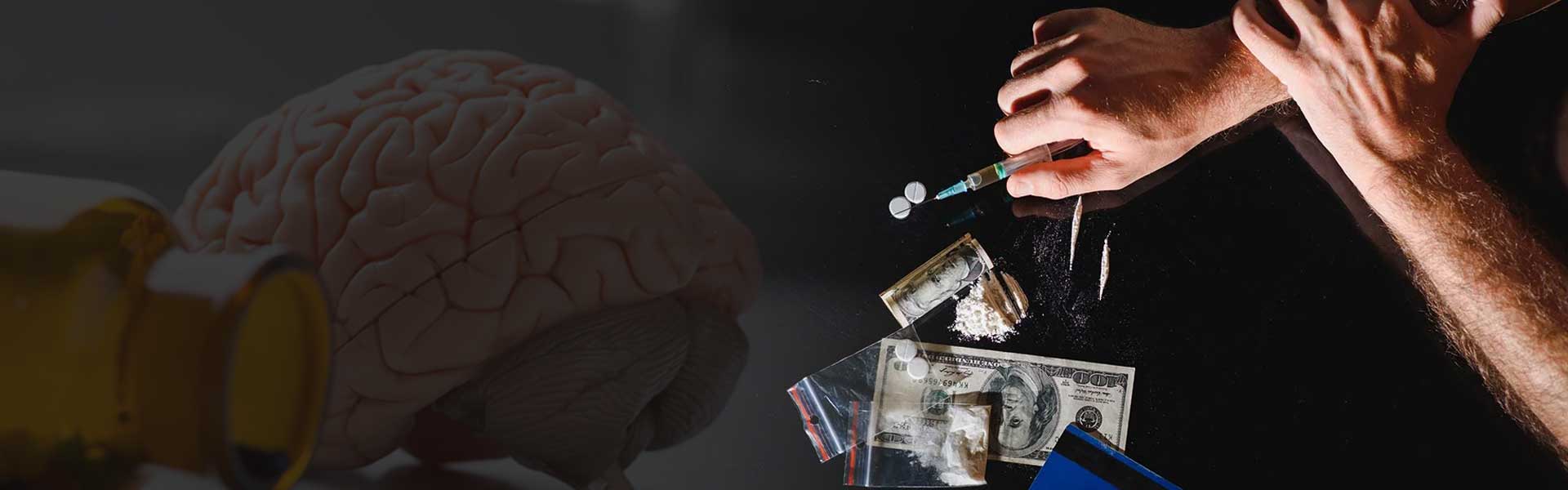
Addiction is a chronic condition that affects the brain, behavior, and overall well-being of an individual. It is not simply a lack of willpower or a bad habit. People struggling with addiction often continue using alcohol or drugs despite knowing the harmful effects on their health, relationships, education, career, and finances.
Over time, addictive substances change the way the brain functions. These changes make it difficult for individuals to control their cravings or stop using substances without professional support. Recovery becomes much more effective when treatment addresses both the physical dependence and the emotional or psychological factors that contribute to addiction.
At Shree Rama Foundation, our rehabilitation approach focuses on understanding the root causes of addiction rather than treating only the symptoms. Every individual receives a personalized recovery plan based on their medical history, emotional needs, and long-term goals.
Common Causes of Addiction
No single factor causes addiction. In most cases, it develops due to a combination of biological, psychological, social, and environmental influences.
Some common contributing factors include:
- Chronic stress and work pressure
- Depression, anxiety, or unresolved trauma
- Peer pressure and social influence
- Family history of substance abuse
- Easy availability of alcohol or drugs
- Emotional isolation or loneliness
- Relationship conflicts
- Academic or career-related pressure
- Low self-esteem
- Lack of healthy coping mechanisms
Understanding these causes helps create an effective treatment strategy that supports lasting recovery.
Drug Addiction Treatment in South Delhi
Drug addiction can affect people of all ages and backgrounds. Whether it involves illegal drugs, prescription medications, or synthetic substances, prolonged use can lead to severe physical and psychological dependence.
Commonly abused substances may include:
- Heroin
- Cocaine
- Cannabis
- Opioids
- Prescription painkillers
- Sleeping pills
- Sedatives
- Synthetic drugs
- Inhalants
Drug dependency often affects concentration, memory, decision-making, emotional stability, and physical health. Many individuals also experience changes in personality, social withdrawal, financial difficulties, and strained family relationships.
At Shree Rama Foundation, our treatment plans are designed to help patients safely overcome dependency while addressing the underlying emotional and behavioral patterns that contribute to addiction.
Alcohol Addiction Treatment in South Delhi
Alcohol addiction usually develops gradually. What begins as occasional drinking can eventually become a daily dependence that impacts every aspect of life.
Some common warning signs include:
- Drinking every day or frequently
- Inability to stop after one or two drinks
- Increased alcohol tolerance
- Withdrawal symptoms when not drinking
- Neglecting family or work responsibilities
- Memory blackouts
- Mood swings and irritability
- Health complications related to alcohol use
Long-term alcohol dependence may increase the risk of liver disease, heart problems, digestive disorders, neurological complications, anxiety, depression, and relationship breakdowns.
Our alcohol rehabilitation program focuses on helping patients achieve sobriety through structured care, counselling, lifestyle changes, and relapse prevention strategies.
Mental Health and Addiction: Why Both Need Attention
Many individuals struggling with substance addiction also experience mental health challenges. Conditions such as anxiety, depression, trauma-related disorders, or chronic stress can either contribute to addiction or develop alongside it.
Ignoring mental health during addiction treatment can increase the risk of relapse. For this reason, rehabilitation should take a holistic approach that considers emotional and psychological well-being as part of the recovery process.
Our team works to identify emotional triggers, unhealthy coping mechanisms, and behavioral patterns that may interfere with recovery. Supporting mental wellness alongside addiction treatment helps individuals build healthier habits and improve long-term outcomes.
Our Rehabilitation Process
Every person's recovery journey is different. Instead of following a standard program for everyone, Shree Rama Foundation develops individualized treatment plans based on each patient's condition and progress.
Our rehabilitation process generally includes the following stages:
Step 1: Initial Assessment
The recovery journey begins with a comprehensive assessment.
During this stage, we evaluate:
- Medical history
- Addiction history
- Substance use pattern
- Physical health
- Emotional well-being
- Family background
- Lifestyle factors
- Previous treatment experiences
- Recovery goals
This evaluation helps create a treatment plan tailored to the individual's needs.
Step 2: Detoxification Support
Detoxification is often the first phase of recovery for individuals with physical dependence on alcohol or drugs.
The purpose of detox is to help the body eliminate addictive substances while managing withdrawal symptoms safely. Depending on the individual's condition, this stage may require careful supervision.
Withdrawal symptoms vary from person to person and may include:
- Sweating
- Anxiety
- Restlessness
- Sleep disturbances
- Tremors
- Fatigue
- Mood changes
- Strong cravings
Detox alone is not a complete treatment. It prepares the individual for the next stages of rehabilitation, where psychological recovery and lifestyle changes become the primary focus.
Step 3: Individual Counselling
One-on-one counselling allows patients to openly discuss their experiences, emotional challenges, fears, and personal goals in a confidential environment.
Individual counselling may focus on:
- Identifying addiction triggers
- Managing stress
- Building self-confidence
- Improving emotional regulation
- Developing healthy coping strategies
- Goal setting
- Strengthening motivation for recovery
These sessions help patients better understand themselves and make positive behavioral changes.
Step 4: Cognitive Behavioural Therapy (CBT)
Cognitive Behavioural Therapy (CBT) is a widely used, evidence-based psychological approach that helps individuals recognize and change unhelpful patterns of thinking and behavior.
During CBT, patients learn to:
- Identify negative thought patterns
- Understand emotional triggers
- Replace harmful behaviors with healthier responses
- Improve decision-making
- Develop practical coping skills
- Reduce relapse risk
CBT can play an important role in supporting long-term recovery when used as part of a comprehensive rehabilitation plan.
Step 5: Group Therapy
Recovery becomes easier when individuals realize they are not facing addiction alone.
Group therapy provides a supportive environment where participants can:
- Share experiences
- Learn from others
- Build confidence
- Improve communication skills
- Develop accountability
- Encourage one another throughout recovery
These sessions help reduce feelings of isolation and strengthen motivation to maintain sobriety.
Step 6: Family Counselling
Addiction affects entire families, not just the individual receiving treatment.
Family counselling aims to:
- Improve communication
- Rebuild trust
- Educate family members about addiction
- Reduce conflict
- Encourage healthy boundaries
- Create a supportive home environment after treatment
Families play a significant role in long-term recovery, making their involvement an important part of the rehabilitation process.
Step 7: Lifestyle and Wellness Support
Recovery is not only about avoiding substances—it is also about creating a healthier, more balanced lifestyle.
Depending on individual needs, rehabilitation programs may include:
- Structured daily routines
- Physical activity
- Yoga and stretching
- Meditation and mindfulness
- Stress management techniques
- Recreational activities
- Nutritional guidance
- Time management skills
- Healthy sleep habits
These practices help improve physical health, emotional resilience, and overall quality of life.
Step 8: Relapse Prevention Planning
Recovery continues even after rehabilitation is completed.
Before discharge, patients are guided in developing a personalized relapse prevention plan that may include:
- Recognizing personal triggers
- Managing cravings
- Building healthy support systems
- Handling high-risk situations
- Maintaining healthy routines
- Continuing counselling when needed
- Setting realistic long-term goals
Learning how to manage challenges after treatment is essential for sustaining recovery over time.
Recovery Is a Journey, Not a Destination
Recovery does not happen overnight. It is a gradual process that requires commitment, professional guidance, family support, and consistent effort.
At Shree Rama Foundation, we believe that every individual deserves a second chance. With the right environment, structured care, and ongoing encouragement, people can rebuild their confidence, restore relationships, and move toward a healthier, substance-free future.
Comprehensive Rehabilitation Facilities at Shree Rama Foundation
Choosing the right Nasha Mukti Kendra in South Delhi is about more than finding a place where someone can stop using alcohol or drugs. Effective rehabilitation requires a safe environment, structured care, emotional support, and a recovery-focused routine that helps individuals rebuild their lives.
At Shree Rama Foundation, our rehabilitation programs are designed to support every stage of recovery—from initial assessment through continued recovery planning. We focus on creating an environment that encourages discipline, emotional stability, healthy habits, and long-term personal growth.
Safe, Peaceful & Recovery-Focused Environment
The environment in which a person receives treatment can significantly influence their recovery journey.
A calm and structured setting allows individuals to step away from the stressors, triggers, and unhealthy routines that may have contributed to substance use.
Our rehabilitation centre promotes:
- A peaceful atmosphere
- Respectful and supportive interactions
- Daily structured activities
- Personal responsibility
- Positive lifestyle habits
- Emotional healing
- Healthy social connections
Creating a stable routine helps patients focus entirely on their recovery without unnecessary distractions.
Comfortable Accommodation
A comfortable living environment supports both physical and emotional well-being during rehabilitation.
Depending on the program selected, accommodation may include:
- Clean and hygienic rooms
- Comfortable sleeping arrangements
- Well-maintained washrooms
- Proper ventilation
- Safe drinking water
- Daily housekeeping
- Laundry support (where applicable)
Maintaining cleanliness and personal hygiene is an important part of developing healthy daily routines during recovery.
Nutritious and Balanced Meals
Substance addiction often affects nutrition, digestion, metabolism, and overall physical health.
Many individuals entering rehabilitation have experienced poor eating habits or nutritional deficiencies.
A balanced diet supports:
- Physical recovery
- Improved energy levels
- Better immune function
- Brain health
- Emotional stability
- Healthy sleep
- Overall wellness
Our rehabilitation programs encourage healthy eating habits as part of a complete recovery plan.
Individual Counselling Sessions
Every person's addiction story is different.
Individual counselling provides a confidential space where patients can openly discuss:
- Emotional struggles
- Personal goals
- Family concerns
- Trauma
- Stress
- Anxiety
- Self-esteem issues
- Recovery challenges
These sessions help patients better understand themselves while building healthier coping mechanisms.
Group Therapy Sessions
One of the most valuable aspects of rehabilitation is learning from others who have experienced similar struggles.
Group therapy encourages patients to:
- Share experiences
- Develop communication skills
- Build confidence
- Learn healthy social interaction
- Receive peer encouragement
- Practice accountability
Group discussions often help individuals realize they are not alone in their recovery journey.
Family Support and Counselling
Addiction impacts spouses, parents, children, siblings, and close relatives.
Family counselling focuses on rebuilding healthy relationships by helping families understand:
- How addiction affects behavior
- Communication techniques
- Emotional support strategies
- Healthy boundaries
- Relapse warning signs
- Ways to encourage long-term recovery
Family participation often improves treatment outcomes and strengthens recovery after discharge.
Yoga and Meditation for Emotional Balance
Stress management plays an important role in addiction recovery.
Practices such as yoga and meditation may help individuals:
- Improve concentration
- Reduce stress
- Manage anxiety
- Enhance emotional balance
- Improve sleep quality
- Increase self-awareness
- Promote relaxation
These wellness practices complement counselling and behavioral therapies by supporting overall mental well-being.
Physical Fitness and Healthy Lifestyle
Recovery also involves rebuilding physical strength and developing healthier daily habits.
Depending on individual needs and the rehabilitation program, activities may include:
- Morning walks
- Light exercise
- Stretching
- Fitness sessions
- Outdoor activities
- Recreational games
Regular physical activity can improve mood, energy levels, and overall health.
Recreational Activities
Recovery should not feel like punishment.
Healthy recreational activities help patients rediscover hobbies, interests, and positive ways to spend their time.
Activities may include:
- Indoor games
- Reading
- Music
- Art-based activities
- Motivational sessions
- Educational workshops
- Team-building exercises
These activities encourage creativity, confidence, and healthy social interaction.
Daily Routine at Our Nasha Mukti Kendra
A structured daily schedule helps individuals develop discipline and consistency.
Although routines may vary depending on the treatment plan, a typical rehabilitation day may include:
Morning
- Wake-up routine
- Personal hygiene
- Meditation or yoga
- Healthy breakfast
Mid-Morning
- Individual counselling
- Therapy sessions
- Educational discussions
Afternoon
- Lunch
- Rest period
- Skill-building activities
- Group discussions
Evening
- Recreational activities
- Reflection sessions
- Healthy dinner
- Relaxation before bedtime
Following a structured routine helps reduce idle time, improve self-discipline, and reinforce healthy habits.
Building Life Skills During Recovery
Successful recovery extends beyond stopping substance use.
Patients are encouraged to develop practical life skills that support independent living and long-term stability.
Life skill development may focus on:
- Time management
- Decision-making
- Stress management
- Communication skills
- Conflict resolution
- Emotional regulation
- Problem-solving
- Goal setting
These skills help individuals confidently return to family life, education, or employment.
Relapse Prevention Education
One of the biggest challenges after rehabilitation is avoiding relapse.
Education plays an important role in helping individuals recognize situations that could increase the risk of returning to substance use.
Patients learn strategies for:
- Identifying personal triggers
- Managing cravings
- Handling stress
- Avoiding high-risk environments
- Building healthy friendships
- Developing positive daily routines
- Seeking support when needed
Relapse prevention planning prepares individuals for life after rehabilitation.
Continued Recovery Support
Recovery does not end when a rehabilitation program is completed.
Maintaining progress often requires continued motivation, healthy routines, and ongoing emotional support.
Depending on individual needs, continued recovery planning may include:
- Follow-up counselling
- Family guidance
- Lifestyle recommendations
- Goal reviews
- Relapse prevention strategies
- Community support resources
Long-term recovery is strengthened when individuals remain connected to positive support systems.
Why South Delhi Families Choose Shree Rama Foundation
Families searching for a reliable Nasha Mukti Kendra in South Delhi often look for more than treatment—they seek trust, compassion, professionalism, and a supportive environment.
People choose Shree Rama Foundation because we focus on:
- Individualized rehabilitation plans
- Respectful and confidential care
- Structured recovery programs
- Holistic wellness approach
- Family participation
- Emotional healing
- Long-term recovery planning
- Supportive rehabilitation environment
Our goal is to help individuals regain confidence, rebuild relationships, and return to healthier, more fulfilling lives.
A Compassionate Approach to Recovery
Every individual who enters rehabilitation has a unique story. Some are struggling with alcohol dependence, while others may be facing drug addiction, emotional distress, or repeated relapses.
At Shree Rama Foundation, we believe every person deserves to be treated with dignity, empathy, and respect.
Recovery is not about judgment—it is about understanding, healing, and creating opportunities for positive change.
With the right support, guidance, and commitment, individuals can move toward a healthier future and rebuild meaningful relationships with themselves, their families, and society.
dmission Process at Shree Rama Foundation
Starting rehabilitation can feel overwhelming, especially for individuals and families seeking help for the first time. Our admission process is designed to be clear, confidential, and supportive so that patients can begin their recovery journey with confidence.
Step 1 – Initial Consultation
The process begins with a confidential discussion to understand the individual's concerns, substance use history, current condition, and treatment needs.
Step 2 – Assessment
A detailed assessment helps determine the most suitable rehabilitation plan based on the patient's physical health, emotional well-being, and recovery goals.
Step 3 – Admission
Once the assessment is complete and the treatment plan is discussed, the admission process is completed with all necessary formalities.
Step 4 – Personalized Recovery Plan
Every patient receives a customized rehabilitation plan that may include counselling, therapy sessions, wellness activities, family support, and relapse prevention strategies.
Step 5 – Continued Recovery Support
Recovery continues beyond rehabilitation through guidance, follow-up planning, and encouragement to maintain healthy lifestyle habits.
Areas We Serve Around South Delhi
Families from many nearby areas contact Shree Rama Foundation for addiction recovery support. Depending on accessibility and individual needs, we assist people from locations across South Delhi and nearby regions.
Commonly served areas include:
- Saket
- Malviya Nagar
- Hauz Khas
- Greater Kailash
- Lajpat Nagar
- Kalkaji
- Defence Colony
- Green Park
- Vasant Kunj
- CR Park
- Nehru Place
- Chirag Delhi
- Mehrauli
- Chhatarpur
- South Extension
- Okhla
- Govindpuri
- Jamia Nagar
- New Friends Colony
- Greater Noida
- Noida
- Faridabad
- Gurugram
When Should You Seek Professional Rehabilitation?
Many people delay treatment because they believe addiction will improve on its own.
Professional rehabilitation should be considered if a person:
- Cannot stop using alcohol or drugs
- Experiences withdrawal symptoms
- Has repeated relapses
- Faces family conflicts due to addiction
- Neglects work or studies
- Becomes socially isolated
- Shows aggressive or unpredictable behaviour
- Experiences anxiety or depression alongside addiction
- Has health problems related to substance use
- Loses interest in daily responsibilities
Seeking help early often leads to better recovery outcomes.
Frequently Asked Questions
1. Which is the best Nasha Mukti Kendra in South Delhi?
The right rehabilitation centre is one that provides structured treatment, individualized recovery plans, qualified professionals, counselling services, and ongoing support. Families should also consider transparency, patient safety, and a supportive recovery environment when making a decision.
2. What services does Shree Rama Foundation provide?
Shree Rama Foundation offers rehabilitation programs focused on addiction recovery, counselling, behavioural support, family involvement, wellness activities, and relapse prevention planning.
3. What types of addiction do you help with?
Rehabilitation programs may support individuals dealing with alcohol dependency, drug addiction, prescription medication misuse, and certain behavioural addictions, depending on individual assessment.
4. How long does rehabilitation treatment usually take?
The duration varies based on the individual's condition, recovery goals, treatment plan, and progress. A personalized assessment helps determine the most appropriate program.
5. Is addiction a disease?
Addiction is widely recognized as a chronic condition that affects brain function and behaviour. Professional treatment often combines medical, psychological, and behavioural approaches to support recovery.
6. Can alcohol addiction be treated?
Many people benefit from structured rehabilitation programs that include counselling, lifestyle changes, family support, and relapse prevention. Recovery outcomes vary between individuals.
7. What is the first step in addiction treatment?
The first step is usually a confidential assessment to understand the individual's health, substance use history, and treatment needs before creating a personalized recovery plan.
8. Is detoxification enough to overcome addiction?
No. Detoxification addresses physical dependence but does not treat the emotional, behavioural, and psychological aspects of addiction. A comprehensive rehabilitation program is generally recommended.
9. Is family counselling important?
Yes. Family involvement can improve communication, rebuild trust, and provide a stronger support system during recovery.
10. Can working professionals receive rehabilitation?
Yes. Treatment plans can often be designed while considering an individual's personal and professional responsibilities, depending on their condition.
11. Is rehabilitation confidential?
Confidentiality is an important part of professional rehabilitation services. Personal information and treatment details are handled with appropriate privacy.
12. Can young adults receive addiction treatment?
Yes. Young adults experiencing substance dependency can benefit from age-appropriate counselling, behavioural therapy, and structured rehabilitation programs.
13. What causes addiction?
Addiction may develop due to a combination of biological, psychological, environmental, and social factors, including stress, trauma, peer influence, mental health conditions, and family history.
14. What are common symptoms of addiction?
Symptoms may include strong cravings, loss of control over substance use, withdrawal symptoms, mood changes, neglect of responsibilities, and continued use despite negative consequences.
15. Can addiction affect mental health?
Yes. Addiction and mental health conditions such as anxiety or depression often occur together, making comprehensive treatment important.
16. What happens after rehabilitation?
Recovery continues through healthy routines, family support, relapse prevention strategies, and follow-up guidance when appropriate.
17. How can families support recovery?
Families can encourage recovery by maintaining open communication, participating in counselling sessions, avoiding judgment, and supporting healthy lifestyle changes.
18. Can relapse happen?
Relapse can occur in some cases. Learning to recognize triggers and following a structured relapse prevention plan may reduce the risk.
19. Is rehabilitation only for severe addiction?
No. Seeking professional support early may help prevent addiction from becoming more severe.
20. Why choose Shree Rama Foundation?
Shree Rama Foundation focuses on individualized rehabilitation, compassionate care, counselling, family support, wellness activities, and long-term recovery planning in a structured environment.
Our Commitment to Every Family
Recovery is not only about helping an individual stop using alcohol or drugs—it is about helping families regain hope, rebuild trust, and move forward together.
At Shree Rama Foundation, we understand the emotional challenges addiction creates. Our approach focuses on compassion, dignity, and practical support so that every patient has the opportunity to work toward a healthier and more stable future.
Whether someone is taking the first step toward recovery or returning after a relapse, every journey deserves understanding and professional guidance.
Take the First Step Toward Recovery
If you or someone you care about is struggling with addiction, seeking help today can make a meaningful difference.
Shree Rama Foundation is committed to providing a safe, respectful, and recovery-focused environment where individuals receive personalized support based on their unique needs.
Contact our team to learn more about the admission process, available rehabilitation programs, and how we can support your recovery journey.
Conclusion
Begin Your Recovery Journey with Shree Rama Foundation
Taking the first step toward recovery is often the most difficult, but it is also the most important. Addiction can affect every aspect of life, including physical health, emotional well-being, family relationships, education, career, and financial stability. With the right guidance and a structured rehabilitation program, many individuals are able to rebuild their confidence and move toward a healthier future.
At Shree Rama Foundation, we believe every person deserves compassionate care, respect, and the opportunity to recover in a safe and supportive environment. Our approach focuses on personalized rehabilitation, counselling, family involvement, healthy lifestyle practices, and long-term recovery planning.
Whether you are seeking support for yourself or a loved one, our team is here to guide you through every stage of the rehabilitation journey with professionalism, confidentiality, and care.
If you would like to learn more about our rehabilitation programs, admission process, or available support services, contact Shree Rama Foundation today. Taking action now could be the first step toward lasting positive change.
Strong CTA Section
Looking for the Best Nasha Mukti Kendra in South Delhi?
Take the first step toward a healthier and addiction-free future.
Contact Shree Rama Foundation today to:
- Discuss your concerns confidentially
- Learn about available rehabilitation programs
- Understand the admission process
- Get guidance for a loved one struggling with addiction
- Receive information about counselling and recovery support
Recovery begins with one decision. Let us help you take that first step.
Based in Noida
Serving patients across Delhi NCR with trusted rehabilitation services.
Patient Pickup
Safe and secure patient pickup services available across India.
24×7 Admission
Emergency admissions are available anytime, day or night.
Psychiatrist Evaluation
Expert psychiatric assessment with personalized treatment plans.
Clinical Psychologist
Professional counselling and therapy for emotional well-being.
Family Counselling
Helping families support their loved one's recovery journey.
Yoga & Meditation
Daily sessions to improve mental peace and physical wellness.
Medical Detox
Safe detoxification under experienced medical supervision.
Confidential Treatment
Your privacy is protected throughout the treatment process.
Follow-up Care
Continuous guidance and counselling after discharge.